From Sugar Bowl to Social Change: The Quiet Revolution in Britain's Preserving Jars
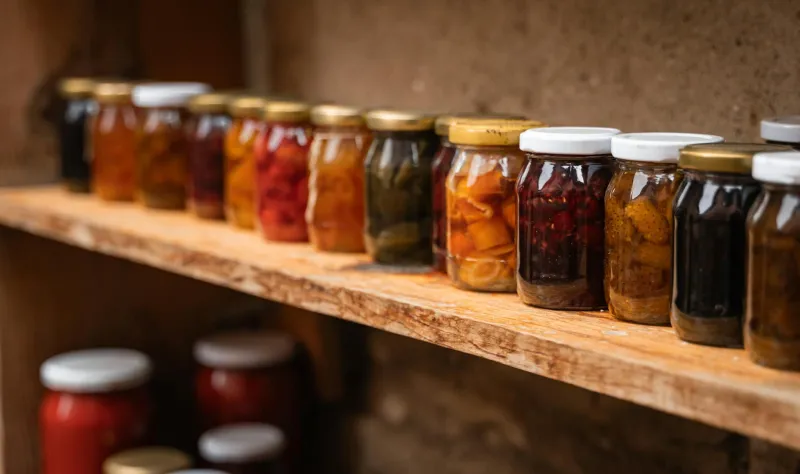
The Sunday Afternoon Alchemy
There's something deeply satisfying about watching sugar dissolve into bubbling fruit, transforming your kitchen into a scene from a period drama. Across Britain, millions are rediscovering the ancient art of preserving – turning surplus strawberries into jam, autumn apples into chutney, and garden gluts into pickled treasures. But beneath the nostalgic charm of this revival lies an opportunity that most of us are missing entirely.
Every ingredient that goes into your preserving pan carries a story. The sugar that sweetens your strawberry jam might come from fields where workers earn less in a day than you spend on lunch. Those exotic spices that transform your apple chutney could be sourced from farmers trapped in cycles of poverty, despite growing ingredients that sell for premium prices in British shops.
Beyond the Recipe Book
When Sarah from Manchester decided to make her grandmother's marmalade recipe last January, she didn't initially think about where her Seville oranges came from. "I was just trying to recreate something from my childhood," she explains. "But when I started researching fair trade options, I realised I could honour my gran's memory whilst supporting orange growers who actually benefit from their labour."
This shift in thinking represents something profound happening in British kitchens. The preserving revival isn't just about self-sufficiency or saving money – it's becoming an unexpected vehicle for global solidarity.
Consider the typical preserving cupboard: white sugar from unknown plantations, vanilla pods with murky supply chains, pectin from questionable sources, and spices that have travelled thousands of miles whilst their growers remain invisible. Each ingredient represents a choice – and increasingly, British preservers are choosing to make those choices count.
The Real Cost of Sweet Success
Sugar remains the backbone of most preserving recipes, yet conventional sugar production often relies on exploitative labour practices. In contrast, fair trade sugar comes with guarantees: decent wages, safe working conditions, and community investment programmes that build schools and healthcare facilities.
"The difference in price is minimal when you consider how little sugar you actually use," notes Emma, who runs preserving workshops in the Cotswolds. "A 500g bag of fair trade sugar costs perhaps 30p more than conventional, but it makes enough jam to last months. That's social impact for pennies."
The same principle applies to the exotic touches that elevate homemade preserves. Fair trade vanilla, cinnamon, cardamom, and ginger don't just taste better – they taste of justice. These spices come from cooperatives where farmers receive stable prices, enabling them to invest in their land and communities rather than simply surviving harvest to harvest.
Building Your Ethical Preserving Arsenal
Transforming your preserving practice doesn't require a complete overhaul – just mindful substitutions. Start with the basics: fair trade sugar forms the foundation of most recipes and keeps for years. Add fair trade vanilla extract for sophisticated flavours, and seek out ethically sourced dried fruits for chutneys and relishes.
Local wholefood shops increasingly stock fair trade preserving essentials, whilst online retailers offer specialist ingredients like fair trade pectin and organic citric acid. The initial investment might feel significant, but these staples last for numerous preserving sessions.
Stories from the Source
Behind every ethically sourced ingredient lies a human story. Take the Fairtrade Premium that vanilla cooperatives in Madagascar invest in community projects – from building wells to funding children's education. When you choose fair trade vanilla for your pear and vanilla jam, you're contributing directly to these initiatives.
Similarly, fair trade sugar cooperatives in countries like Malawi use their premium payments to provide farming equipment and training, helping members increase yields whilst protecting the environment. Your Sunday afternoon preserving session becomes part of a global network of mutual support.
The Ripple Effect
What starts as personal choice often spreads outward. Home preservers who embrace fair trade ingredients frequently become advocates, sharing their discoveries with friends and family. WI groups report increased interest in ethical sourcing workshops, whilst preserving circles increasingly discuss supply chain ethics alongside traditional techniques.
"Once you start thinking about where your ingredients come from, you can't stop," reflects Jane, whose preserving hobby evolved into a small fair trade business. "It changes how you see everything in your kitchen."
Practical Steps Forward
Making the transition needn't be overwhelming. Start with your most-used ingredients – usually sugar and common spices. Gradually expand your ethical pantry as you discover new suppliers and products. Many fair trade ingredients actually improve your preserves' flavour, making this a win-win transformation.
Keep records of which ethical suppliers work best for your needs. Share discoveries with fellow preservers, creating a community knowledge base that benefits everyone. Consider joining or starting a group buying scheme to make premium ingredients more affordable.
Preserving Values
As Britain's preserving revival continues, we have a choice. We can simply recreate nostalgic flavours, or we can use this traditional craft to build a more just food system. Every jar that emerges from your kitchen can tell a story of fairness, sustainability, and global connection.
The next time you're stirring sugar into bubbling fruit, remember that you're not just making jam – you're making a statement about the world you want to preserve for future generations.