Countdown to Conscience: Unwrapping the Truth Behind Britain's Advent Calendar Obsession

December's Hidden Economy
Walk down any British high street in November, and you'll witness a phenomenon that would baffle visitors from centuries past: grown adults deliberating intensely over small cardboard boxes designed to portion out tiny treats across 24 days. The advent calendar industry has exploded from a niche German tradition into a £200 million juggernaut that defines how Britain counts down to Christmas.
Yet behind those cheerful facades featuring everything from Peppa Pig to luxury skincare, lies a complex web of global supply chains that few consumers ever consider. As we tear through each day's offering—a piece of chocolate here, a miniature gin there—we're unknowingly participating in economic relationships that span continents and affect millions of livelihoods.
The Supermarket Sweep
Tesco's bestselling advent calendar contains chocolate sourced from West Africa, where cocoa farmers typically earn around 74p per day—well below the World Bank's extreme poverty line of £1.50. The plastic toys in children's calendars travel from factories in Guangdong Province, China, where workers often endure 12-hour shifts during the Christmas production rush. Even those premium beauty calendars, with their £150+ price tags, frequently contain products manufactured in facilities with questionable labour standards.
"The advent calendar market is essentially fast fashion for Christmas," explains Dr. Rebecca Martinez, who researches global supply chains at Cardiff University. "Retailers need maximum variety at minimum cost, which inevitably pushes pressure down the chain to the most vulnerable workers."
 Photo: Cardiff University, via universitycompare.com
Consider the journey of a typical supermarket chocolate advent calendar. Cocoa beans harvested by farmers earning subsistence wages are processed in European factories, moulded into shapes in automated facilities, packaged in China, then shipped to UK distribution centres. Each step prioritises efficiency and cost reduction over fair compensation or environmental sustainability.
The Artisan Alternative
Fortunately, a growing movement of ethical producers is rewriting the advent calendar story. Divine Chocolate, owned by the Kuapa Kokoo cooperative in Ghana, creates calendars where farmers receive a guaranteed minimum price plus additional premiums for community development projects.
"When someone buys our advent calendar, they're directly supporting 100,000 smallholder farmers and their families," explains Divine's UK marketing director, Claire Thompson. "Last year, the premiums from UK sales helped build 47 new wells in farming communities, providing clean water access for over 15,000 people."
Similarly, the Meaningful Chocolate Company sources from cooperatives in Ecuador and Peru, ensuring farmers receive 40% above commodity prices. Their advent calendars feature QR codes linking to videos from the actual farmers who grew the cocoa, personalising the global supply chain in unprecedented ways.
Beyond Chocolate: The Beauty Revolution
The beauty advent calendar boom has also spawned ethical alternatives. This Common Good creates calendars featuring products from certified B-Corps and social enterprises. Their 2023 edition included items from companies like Ethique (plastic-free beauty bars), Wild (refillable deodorant), and Kotn (ethically-made cotton products).
"Beauty advent calendars have become status symbols, but they don't have to be symbols of exploitation," says founder Emma Richardson. "Our customers love discovering new brands with genuine impact stories—it makes each day's reveal more meaningful."
The calendar includes detailed information about each company's social and environmental commitments, transforming the daily ritual into an education about conscious consumption.
The Tea Trail Innovation
Perhaps the most creative ethical advent calendar comes from Teapigs, whose "Tea-vent Calendar" features 24 different tea blends sourced from Rainforest Alliance and Fairtrade certified farms. Each sachet includes information about the tea garden and farming family behind that day's brew.
"We realised advent calendars could be vehicles for storytelling," explains co-founder Louise Cheadle. "Instead of mindless consumption, each cup becomes a moment to connect with producers thousands of miles away."
Customers receive access to an online platform featuring photos and videos from tea gardens in Sri Lanka, China, and India, creating virtual relationships between British tea drinkers and the people who cultivate their daily brew.
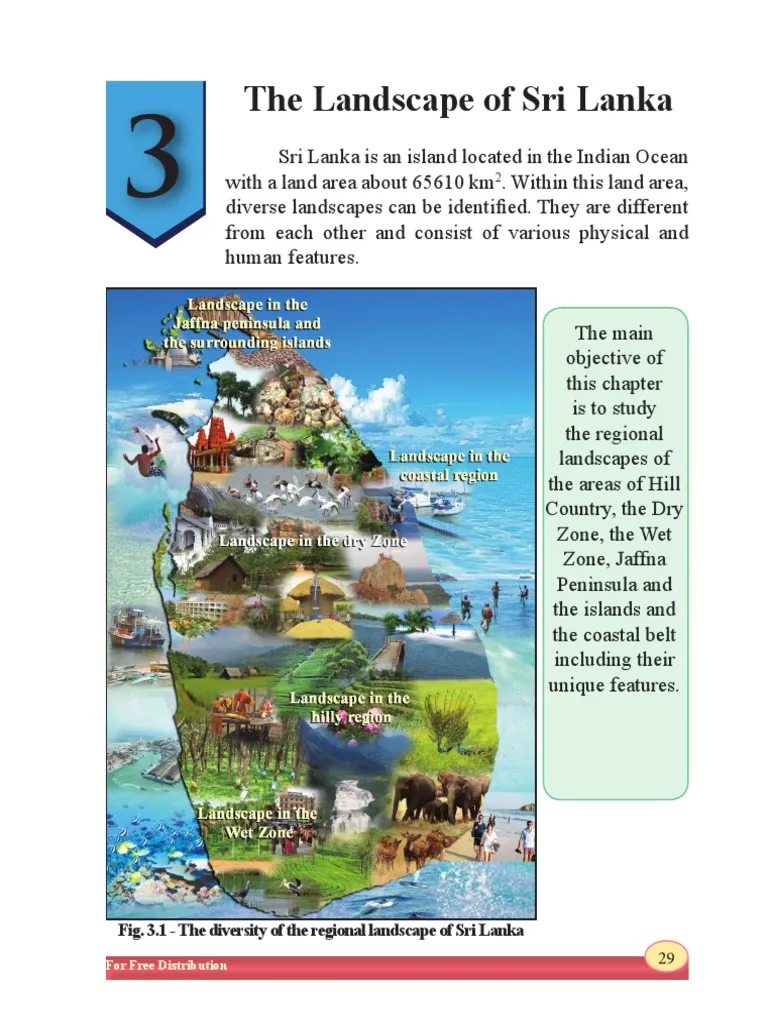 Photo: Sri Lanka, via imgv2-1-f.scribdassets.com
The Local Heroes
Independent retailers across Britain are crafting their own ethical alternatives. The Wye Valley Delicatessen in Herefordshire creates bespoke calendars featuring locally-produced preserves, chutneys, and chocolates from regional artisans. Each purchase supports a network of small-scale producers within a 50-mile radius.
"Our customers love knowing that their advent calendar supports their neighbours," says owner Sarah Mitchell. "It's Christmas with a conscience and a postcode."
Similar initiatives have emerged in Edinburgh, where Valvona & Crolla creates Italian-themed calendars featuring products from small family businesses in Tuscany and Sicily, and in Brighton, where Infinity Foods assembles calendars showcasing organic and fair trade producers from across Europe.
Making the Switch
Transitioning to ethical advent calendars requires minimal effort but delivers maximum impact. The Fairtrade Foundation recommends starting with chocolate calendars from certified producers like Divine, Seed & Bean, or Green & Black's. For those seeking variety, mixed calendars from organisations like Traidcraft or Oxfam Unwrapped offer diverse daily surprises whilst supporting global development projects.
Price comparisons reveal that ethical alternatives often cost only 10-20% more than supermarket equivalents, whilst delivering significantly higher quality products and guaranteed positive impact.
The Ripple Effect
Families making conscious advent calendar choices report unexpected benefits beyond ethical satisfaction. Children become more curious about global geography and farming practices, asking questions about where products originate and how they're made.
"My 8-year-old now checks food packaging for Fairtrade logos," shares Manchester parent Lisa Chen. "Our ethical advent calendar sparked conversations about fairness and global trade that I never expected to have with a primary school child."
Schools are also embracing the educational potential. Several primary schools now create classroom advent calendars featuring daily facts about fair trade producers, turning December into a month-long geography and citizenship lesson.
December's New Tradition
As Britain's advent calendar obsession shows no signs of slowing, the choices we make behind those 24 doors carry increasing significance. Whether supporting cocoa farmers in Ghana, tea growers in Assam, or soap makers in Somerset, ethical advent calendars transform a simple Christmas tradition into a daily vote for the kind of world we want to create.
The next time you're faced with that wall of advent calendars in November, remember: behind every door lies not just a treat, but a choice. A choice between perpetuating exploitation or supporting fairness. Between mindless consumption or meaningful connection. Between a countdown to Christmas or a count-up to positive change.
The question isn't whether you'll buy an advent calendar this December—it's what story yours will tell.