Growing Conscious: How Britain's Garden Revolution Can Plant Seeds of Global Change
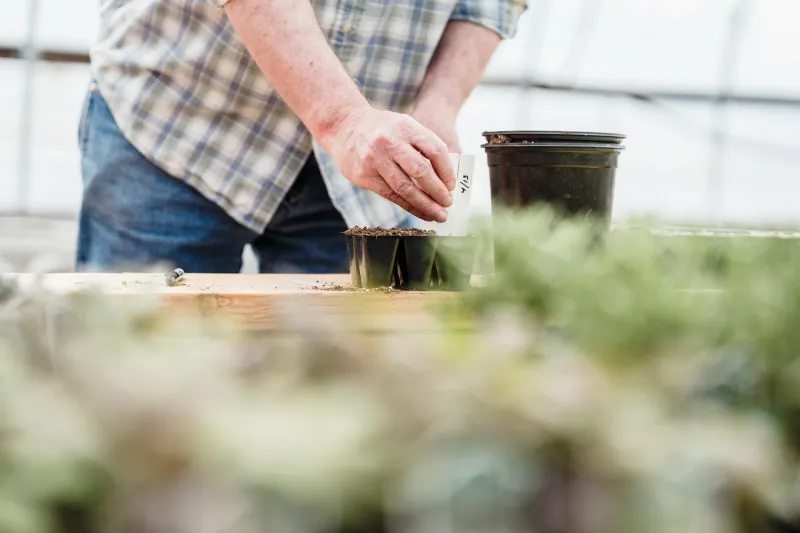
Digging Deeper Than Ever Before
Britain is experiencing a gardening renaissance. Allotment waiting lists stretch for years, garden centres report record sales, and social media overflows with proud photos of prize marrows and perfect petunias. The pandemic accelerated this trend, but something deeper drives our collective return to the soil – a yearning for connection, sustainability, and the simple satisfaction of growing our own.
Yet as we lovingly tend our plots, few of us pause to consider where our gardening supplies actually originate. That packet of tomato seeds, the bag of multipurpose compost, those essential garden tools – they all have stories, and not all of them are as wholesome as the vegetables we're hoping to harvest.
The Hidden Supply Chain in Your Shed
Peer into any British gardener's shed and you'll find a United Nations of products. Seeds from the Netherlands, tools manufactured in China, fertilisers from Morocco, and peat extracted from Irish bogs. Our gardens may be local, but our supplies are decidedly global.
This international web creates opportunities for exploitation that most gardeners never consider. Seed production, particularly in developing countries, often relies on seasonal workers facing poor pay and working conditions. Tool manufacturing frequently occurs in factories where labour standards lag behind environmental ones. Even something as basic as bamboo canes might originate from plantations where workers lack basic rights.
Take cocoa shell mulch, increasingly popular among British gardeners for its rich appearance and soil-improving properties. Most originates from West African cocoa farms, where child labour remains endemic and farmers struggle with poverty wages. Your beautiful flower bed might inadvertently support the very systems many of us actively avoid when choosing our chocolate.
Seeds of Change: The Fair Trade Alternative
Ethical Seed Sources
Fortunately, conscious gardeners have options. Companies like Real Seeds in Wales and The Seed Cooperative prioritise open-pollinated varieties from small-scale growers who receive fair payment. These heritage seeds often outperform mass-produced hybrids anyway, offering superior flavour and natural disease resistance.
"We work directly with growers across Europe and beyond," explains Ben Raskin from Real Seeds. "It's about building relationships, not just transactions. When you buy our seeds, you're supporting small farmers who've maintained these varieties for generations."
Tools with a Conscience
Similarly, tool manufacturers like Sneeboer in the Netherlands and Opinel in France demonstrate that quality and ethics can coexist. Yes, their products cost more than mass-market alternatives, but they're built to last decades rather than seasons. A fair trade spade might cost £80 instead of £15, but when it's still performing perfectly after twenty years, the economics favour sustainability.
Community Growing, Global Thinking
Across Britain, gardening communities are embracing this ethical evolution. The Incredible Edible movement, which began in Todmorden, now spans dozens of towns, transforming public spaces into productive plots whilst prioritising sustainable practices.
In Brighton, the Stanmer Organics project sources seeds exclusively from certified organic and fair trade suppliers. Manager Lisa Green notes: "Our members initially questioned the higher costs, but they quickly realised they were investing in both superior quality and global justice. Now they wouldn't consider alternatives."
Allotment Associations Leading by Example
Progressive allotment associations are bulk-buying ethical supplies, reducing costs whilst maximising impact. The Hampstead Heath Allotments Association negotiated group discounts with Tamar Organics, securing fair trade compost and fertilisers at competitive prices.
 Photo: Hampstead Heath Allotments Association, via images.squarespace-cdn.com
Secretary David Williams explains: "When fifty plot-holders order together, we achieve economies of scale that make ethical choices financially viable. It's collective action at its most practical."
Making the Transition
Start with Seeds
Begin your ethical gardening journey with seeds – they're relatively inexpensive and offer the most direct connection to growers. Choose open-pollinated varieties from ethical suppliers, and save seeds from your best plants for next year. This traditional practice reduces reliance on commercial suppliers whilst preserving genetic diversity.
Compost Considerations
Ditch peat-based composts entirely. Beyond their environmental impact on precious bog ecosystems, they often originate from regions with questionable labour practices. Instead, choose coir-based alternatives from certified sources, or better yet, make your own from kitchen scraps and garden waste.
Tool Investment
Purchase fewer, better tools. A quality spade, fork, and secateurs from ethical manufacturers will outlast multiple cheap alternatives whilst supporting fair labour practices. Consider second-hand options too – vintage tools often surpass modern equivalents for durability and performance.
The Ripple Effect
Education Through Growing
Ethical gardening creates teaching opportunities that extend far beyond horticulture. When children understand that their sunflower seeds travelled from a small farm in France where the grower received fair payment, they begin grasping global interconnectedness and social justice concepts in tangible ways.
Many schools now incorporate fair trade gardening into their curricula. Pupils at Riverside Primary in Oxford maintain plots using exclusively ethical supplies, learning about global supply chains whilst nurturing their vegetables.
 Photo: Riverside Primary, via riversideprimary.education.tas.edu.au
Building Networks
Conscious gardeners naturally gravitate towards each other, creating networks that extend beyond growing. Seed swaps become forums for discussing ethical consumption. Allotment associations evolve into community action groups. Garden clubs transform into advocacy organisations.
Cultivating Change
The beauty of ethical gardening lies in its accessibility. You don't need acres or expertise – even a windowsill herb garden can embody these principles. Every packet of fairly-traded seeds, every ethically-sourced tool, every peat-free compost bag represents a choice that ripples outward, supporting sustainable livelihoods whilst nurturing your own green space.
As British gardens flourish, we have an opportunity to ensure this growth benefits everyone in the supply chain. Our plots can become more than sources of fresh produce and weekend satisfaction – they can become statements about the world we want to cultivate, one seed at a time.
The next time you visit your garden centre, pause before reaching for the cheapest option. Consider the hands that planted those seeds, the communities that depend on fair payment, and the planet that sustains us all. Your garden – and the wider world – will thank you for it.