Tiny Clothes, Big Choices: Navigating Fair Trade at Britain's Baby Shower Boom
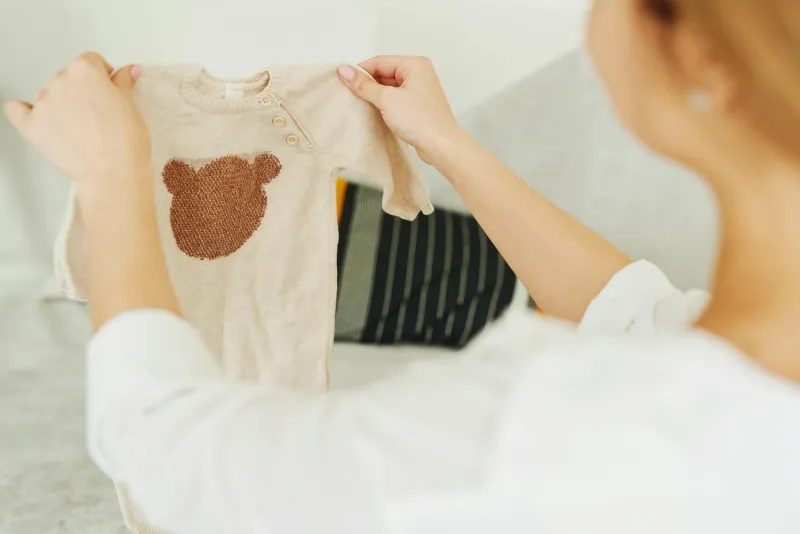
When Celebration Meets Reality Check
Picture this: you're standing in the baby aisle of your local John Lewis, overwhelmed by an ocean of pastel-coloured everything. Your colleague's baby shower is this weekend, and you want to find something special. That organic cotton sleepsuit looks perfect – until you spot the 'Made in Bangladesh' label and wonder about the hands that stitched those tiny buttonholes.
Baby showers have become a British institution almost overnight. What started as an American import has exploded into elaborate affairs complete with themed decorations, games involving nappies, and gift lists longer than most wedding registries. Yet amid all this celebration of new life, we're often inadvertently supporting systems that exploit the very families we'd want to protect.
The Hidden Stories in Every Gift Bag
That adorable romper suit might seem innocent enough, but the global baby clothing industry tells a different story. Most mainstream baby brands rely on garment workers in developing countries who earn poverty wages despite producing clothes that sell for premium prices in British shops.
Consider the mathematics: a cotton babygrow retailing for £12 in Mothercare likely cost less than £1.50 to produce. The cotton farmer who grew the raw material probably received around 3p for their contribution, while the garment worker who assembled it earned perhaps 15p. Meanwhile, the expecting parents – and gift-givers – pay the full premium, believing they're investing in quality and safety for the baby.
The toy aisle presents even murkier waters. Those colourful rattles and teething rings often travel complex supply chains through countries with limited labour protections. Small components might be manufactured in one location, assembled in another, and packaged in a third – making it nearly impossible to trace working conditions or environmental standards.
Reading Between the Labels
Navigating ethical baby shopping requires detective skills worthy of Sherlock Holmes. Marketing teams excel at using words like 'natural,' 'pure,' and 'gentle' without making specific claims about fair labour practices. A product can be 'organic' while still being produced under exploitative conditions.
Look for concrete certifications instead of vague promises. The Global Organic Textile Standard (GOTS) covers both environmental and social criteria, ensuring fair wages and safe working conditions throughout the supply chain. Fairtrade cotton certification guarantees farmers receive fair prices and work in decent conditions.
Some brands go further. Frugi, a British children's clothing company, publishes detailed information about their supplier relationships and maintains long-term partnerships with GOTS-certified facilities. Their clothes cost more than high-street alternatives, but they represent genuine investment in ethical production.
Gift Ideas That Give Back
Fortunately, Britain's growing awareness of ethical consumption has spawned wonderful alternatives for baby shower gifts. Here's how to celebrate new arrivals while supporting global fairness:
Clothing That Counts
Seek out brands like Sense Organics, whose baby clothes are made in India under fair trade conditions, or Kite Clothing, which combines organic materials with ethical manufacturing. These companies often share stories about their suppliers, connecting your gift to real people and communities.
Toys with Purpose
Fair trade toy companies like Lanka Kade create beautiful wooden toys in Sri Lanka, providing stable employment for local craftspeople. Their colourful stacking toys and puzzles are perfect for developing motor skills while supporting sustainable livelihoods.
 Photo: Sri Lanka, via c0.prestige-voyages.com
Practical Presents
Consider gifting fair trade household essentials that new parents actually need. Organic cotton muslins from fair trade suppliers, natural baby skincare products, or even a selection of fair trade teas for those late-night feeding sessions show thoughtfulness while supporting ethical supply chains.
Creating New Traditions
Some expecting parents are revolutionising baby showers entirely by making ethical sourcing central to their celebrations. Sarah from Manchester created a 'conscious baby shower' where each gift had to meet specific ethical criteria. Guests loved the challenge, and the resulting collection of presents told beautiful stories from around the world.
Others are embracing the 'blessing way' concept, focusing on celebrating the parent-to-be rather than accumulating things. These gatherings often include making items together – knitting blankets, preparing freezer meals, or creating memory books – reducing consumption while building community.
The Group Gift Revolution
Pooling resources for larger fair trade items makes ethical gifting more accessible. A group of colleagues might jointly purchase a fair trade cot mattress or organic cotton bedding set. These collaborative gifts often prove more useful than multiple small items while maximising impact for producers.
St Michaels has started facilitating group purchases for baby shower gifts, connecting local communities with fair trade suppliers. Recent successes include beautiful handwoven blankets from Peruvian cooperatives and wooden toy sets crafted by Kenyan artisans.
Beyond the Baby Shower
The ethical choices we make around baby showers often influence purchasing decisions for years to come. Parents who receive fair trade gifts frequently continue seeking out ethical options as their children grow. That organic cotton vest becomes a gateway to conscious consumption that benefits families worldwide.
Moreover, baby showers provide perfect opportunities for conversations about global justice. Sharing the stories behind ethical gifts – the Indian cotton farmers using sustainable methods, the Sri Lankan craftspeople preserving traditional skills – connects celebration with education.
Making Every Gift Matter
As Britain's baby shower culture continues evolving, we have a unique opportunity to embed fairness into these celebrations of new life. The choices seem small – one babygrow, one toy, one gift among many – but collectively they represent powerful statements about the world we want to create for the next generation.
Every ethically-sourced gift sends a message: that celebration and conscience can coexist, that convenience need not come at human cost, and that the smallest choices can create the biggest changes. In a tradition centred on welcoming new life, what could be more appropriate than ensuring our gifts support life and dignity for families worldwide?
After all, the best baby shower gifts are those that make the world a little bit better for everyone's children.