Footsteps to Fair Trade: How Britain's Hiking Revolution is Blazing Trails for Ethical Living
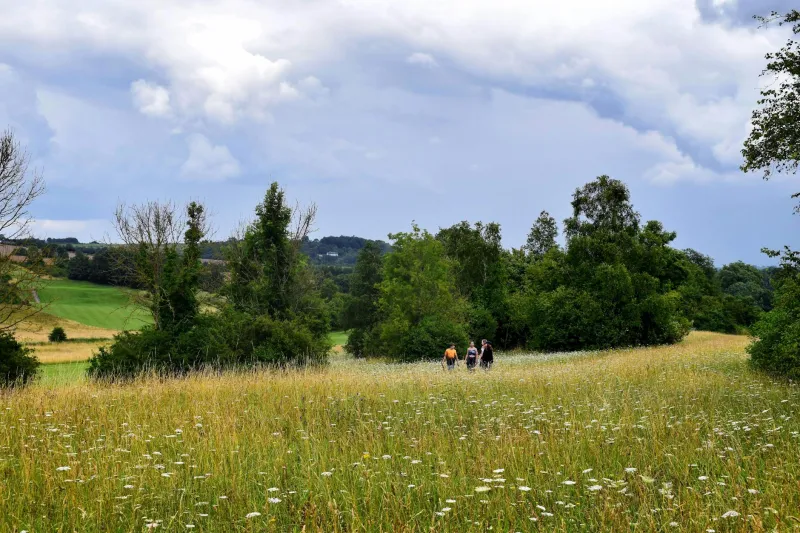
The View from the Top
Standing atop Pen y Fan on a crisp Saturday morning, Sarah Williams surveys the Brecon Beacons whilst unwrapping what she calls "the most important snack bar I've ever eaten." It's not the calories that matter—though after a 6am start and 3-hour climb, those help—but the story behind the dates, cashews, and cocoa that fuel her weekly hiking adventures.
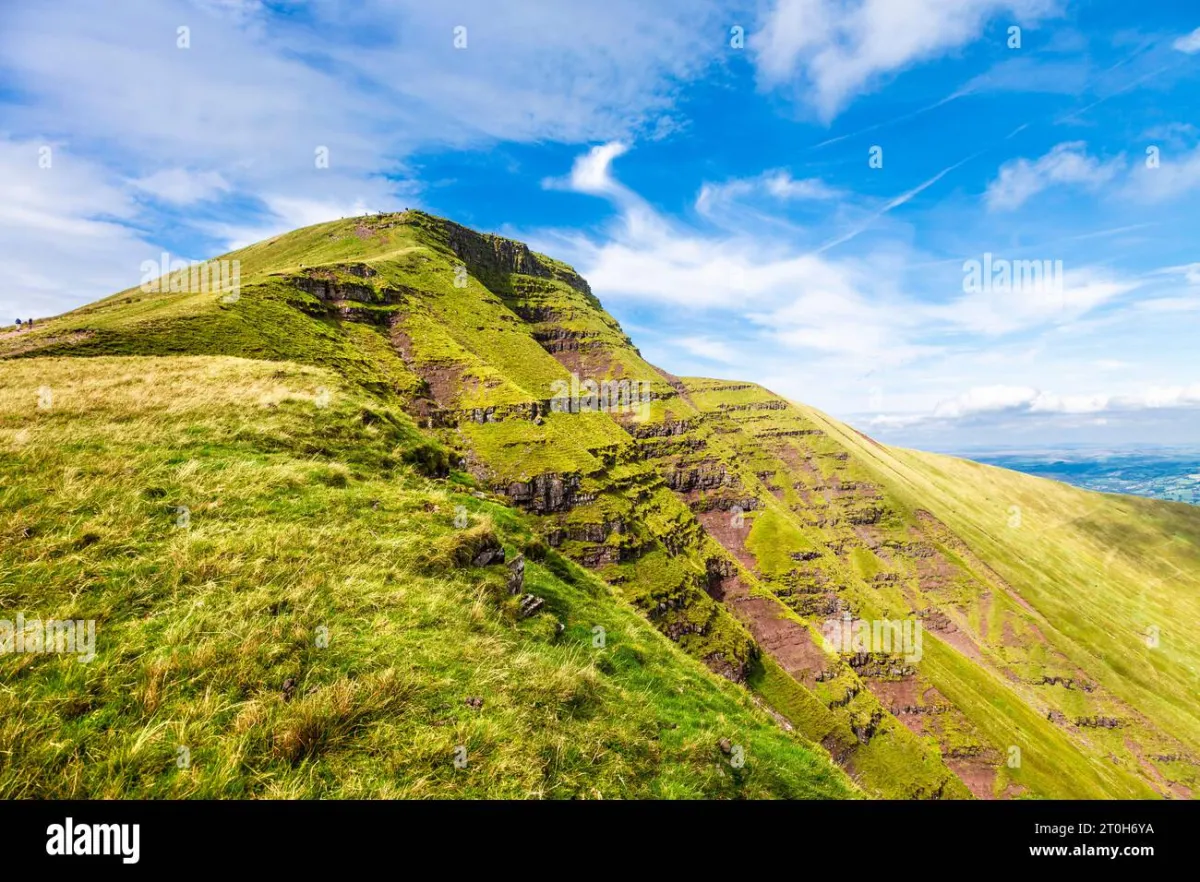 Photo: Pen y Fan, via c8.alamy.com
"Two years ago, I wouldn't have given a second thought to what was in my rucksack," admits Sarah, who leads the Cardiff Hiking Society's 200-strong membership. "Now I realise that every choice we make on the mountains connects us to farmers and workers thousands of miles away. Our weekend treats are someone else's livelihood."
Sarah's transformation reflects a broader awakening within Britain's walking community. As environmental consciousness grows and supply chain transparency increases, hikers are discovering that their love for pristine landscapes naturally aligns with supporting sustainable farming practices worldwide.
The Rucksack Audit
The contents of a typical British hiker's rucksack tell a complex global story. Those energy-boosting bananas likely travelled from plantations in Ecuador or Colombia. The chocolate bars providing afternoon fuel contain cocoa from West African farms where workers often earn less than £2 daily. Even the supposedly healthy trail mix features nuts from regions where water scarcity and unfair trade practices threaten farming communities.
"Hikers are natural conservationists," observes Dr. James Patterson, who studies outdoor recreation at Leeds University. "They spend their weekends immersed in nature, witnessing firsthand the effects of climate change and environmental degradation. It's a small step from caring about British landscapes to caring about the landscapes where their food is grown."
This realisation is driving significant changes in how walking groups approach their provisions. The Lake District's largest rambling club now exclusively stocks fair trade snacks at their weekly meet-ups, whilst the South Downs Society has partnered with local fair trade shops to offer pre-packed ethical hiking meals.
Trail Blazers in Action
The Peak District Walking Group exemplifies this evolution. Founded in 1987, the club traditionally focused purely on routes and safety. Today, their monthly newsletters feature profiles of fair trade producers, and their annual walking festival includes talks about sustainable agriculture and ethical consumption.
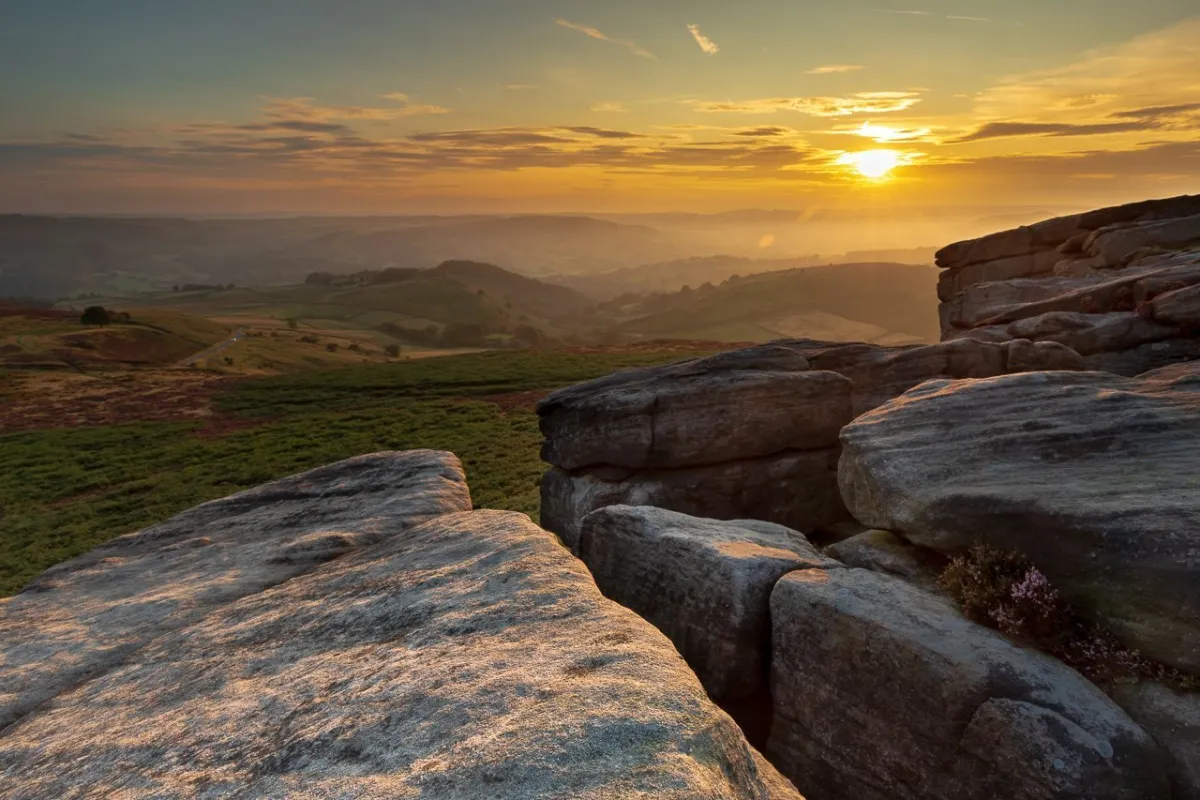 Photo: Peak District, via chriswarhamphotography.com
"We started small—just swapping our usual chocolate for Divine Chocolate during coffee stops," explains club secretary Martin Hughes. "Members began asking questions about where it came from, which led to conversations about cocoa farming in Ghana. Before we knew it, we were planning a fundraising walk to support the cooperative that makes our chocolate."
That fundraising walk, completed by 47 members along the Pennine Way, raised £2,300 for the Kuapa Kokoo cooperative in Ghana—enough to fund agricultural training for 30 farming families.
Similar initiatives have emerged across Britain's hiking landscape. The Yorkshire Dales Wanderers now source their post-walk pub snacks exclusively from fair trade suppliers, whilst the Cotswold Rambling Club has developed partnerships with local shops to create "ethical hiking hampers" featuring fairly sourced nuts, dried fruits, and energy bars.
The Gear Shift
Beyond food, hiking equipment presents another opportunity for ethical consumption. Traditional outdoor gear often relies on exploitative manufacturing practices, with many popular brands producing equipment in factories where workers face poor conditions and inadequate wages.
Progressive hiking clubs are responding by showcasing ethical alternatives. Patagonia, despite its premium pricing, has gained popularity among environmentally conscious walkers for its Fair Trade certification and repair-don't-replace philosophy. Similarly, brands like Finisterre and Howies, both based in Britain, emphasise sustainable materials and transparent supply chains.
"Our gear talks are now as popular as our route planning sessions," notes Rebecca Thompson from the Northumberland Walking Society. "Members want to know that their waterproof jacket wasn't made by someone earning poverty wages. They're willing to pay more for products that align with their values."
The club now organises annual "gear swaps" where members exchange unused equipment rather than buying new items, extending product lifecycles whilst building community connections.
Voices from the Field
These changes resonate far beyond British footpaths. Carlos Mendoza, who manages a coffee cooperative in Guatemala's highlands, describes how support from UK outdoor enthusiasts has transformed his community.
"Many British hiking clubs now serve our coffee at their post-walk gatherings," Carlos explains via video call from his farm at 1,800 metres altitude. "The premium prices we receive have enabled us to invest in better processing equipment and organic certification. My daughter can now attend university—something impossible before fair trade partnerships."
Similarly, Fatima Al-Rashid from a date farming cooperative in Morocco's Atlas Mountains describes how sales to European outdoor enthusiasts have enabled her community to install solar panels and improve irrigation systems.
"When British hikers choose our dates for their trail snacks, they're supporting mountain communities like their own," Fatima says. "We understand the connection between healthy landscapes and thriving communities—it's the same whether you're walking in the Peak District or farming in the High Atlas."
The Social Summit
Beyond individual consumption choices, hiking clubs are leveraging their community connections to amplify fair trade awareness. The Scottish Mountaineering Club now includes fair trade stalls at their annual gatherings, whilst the Ramblers Association has incorporated ethical consumption workshops into their leadership training programmes.
"Walking clubs are inherently social organisations," notes community development specialist Dr. Emma Clarke. "When members make ethical choices together, it normalises conscious consumption and creates peer pressure for positive change. It's social influence at its most effective."
This collective approach has proven particularly powerful in rural communities where walking clubs often represent significant social networks. The Exmoor Hiking Society's decision to source all their event catering from fair trade suppliers influenced three local pubs to add fairly sourced options to their menus.
Building the Trail Network
For hiking clubs inspired to embrace ethical consumption, the pathway is well-marked. Start with simple swaps—replacing usual snacks with fair trade alternatives during group walks. Partner with local shops to source ethical options, or contact organisations like the Fairtrade Foundation for guidance on suitable products.
Education proves crucial. Invite speakers from fair trade organisations to share producer stories, or organise film screenings about sustainable agriculture. Many clubs report that understanding the human stories behind products motivates lasting behavioural change.
"Once our members met the farmers via video call, there was no going back," reflects Sarah from the Cardiff Hiking Society. "You can't unknow that your chocolate bar supports a school in Ghana or that your coffee funds clean water projects in Guatemala."
The Summit Ahead
As Britain's hiking community continues growing—with participation increasing 15% annually according to Natural England—its potential impact on global trade relationships grows correspondingly. Every weekend, hundreds of thousands of walkers carry rucksacks filled with products that could either perpetuate exploitation or support sustainable livelihoods.
The choice seems obvious for people who spend their leisure time appreciating natural beauty and environmental stewardship. As more hiking clubs embrace ethical consumption, they're discovering that the journey towards fair trade is remarkably similar to their favourite mountain paths: it requires planning, commitment, and community support, but the views from the summit make every step worthwhile.
"We call it 'walking the walk'," concludes Martin from the Peak District Walking Group. "If we truly care about the landscapes we love exploring, we need to care about the landscapes where our food and gear are produced. Every step on the trail can be a step towards a fairer world."