Back to School, Back to Basics: The Hidden Ethics in Every School Blazer
The September Scramble
Every August, the ritual begins. British parents armed with school lists descend upon high streets and retail parks, hunting for the perfect balance of affordability and durability in school uniforms. The pressure is real – with the average family spending £337 per child on school clothing according to The Schoolwear Association, it's no wonder we gravitate towards the cheapest options available.
But here's the uncomfortable truth: that £8 polo shirt didn't magic itself into existence. Behind every bargain blazer sits a complex web of manufacturing decisions that often prioritise profit margins over people.
The Real Cost of Cheap Uniforms
When we chase rock-bottom prices, someone, somewhere, pays the difference. In the garment industry, this typically means workers in developing countries facing poverty wages, unsafe working conditions, and excessive overtime demands. The very uniforms meant to create equality in our classrooms may be perpetuating inequality thousands of miles away.
Consider this: a school jumper retailing for £12 in the UK might generate just pennies for the person who actually sewed it together. The mathematics of fast fashion simply don't add up to fair wages.
Schools Leading the Change
Progressive institutions across Britain are beginning to recognise their role in this equation. St Catherine's School in Surrey recently partnered with ethical supplier Trutex to ensure their uniform range meets fair trade standards. Head teacher Sarah Mitchell explains: "We realised we were teaching our students about global citizenship whilst potentially contributing to exploitation through our uniform policy. It felt hypocritical."
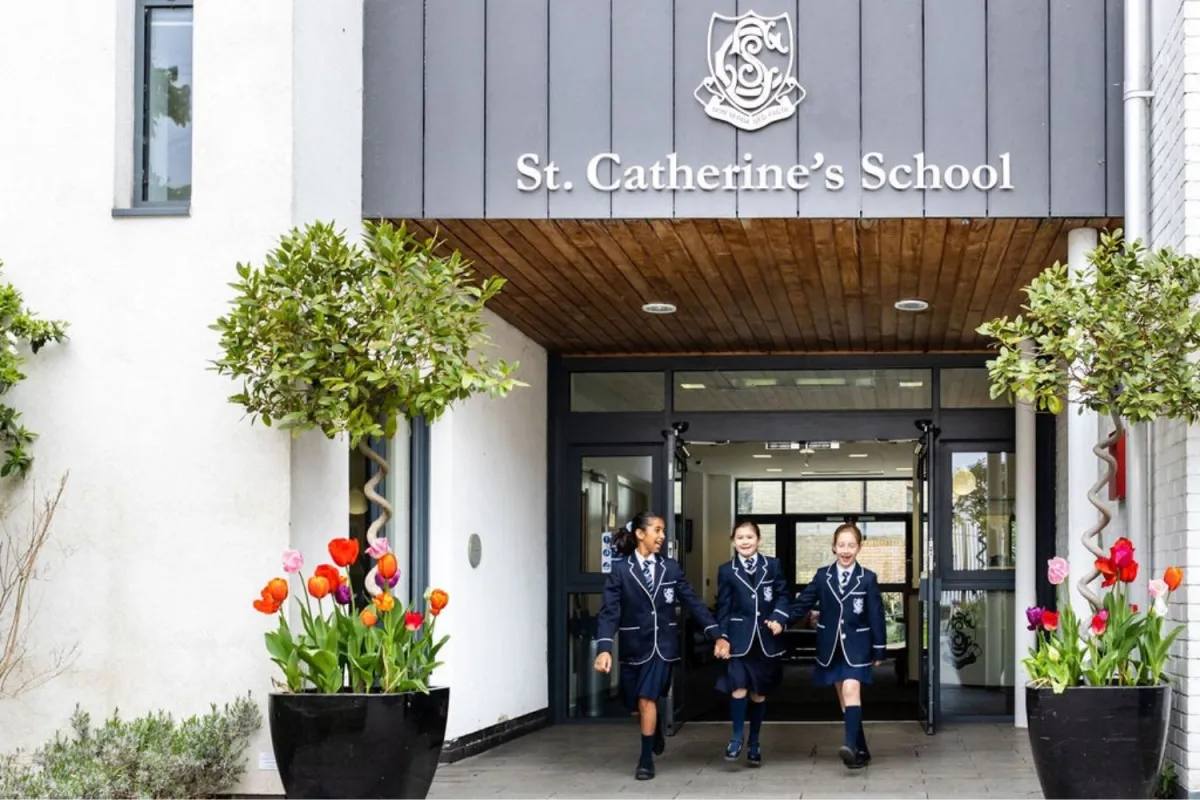 Photo: St Catherine's School, via dev.muddystilettos.co.uk
Similarly, Greenfield Academy in Manchester has introduced a 'uniform bank' system, where families can donate outgrown items and purchase pre-loved pieces at minimal cost. Not only does this reduce environmental impact, but it also breaks the cycle of constantly feeding demand for newly manufactured goods.
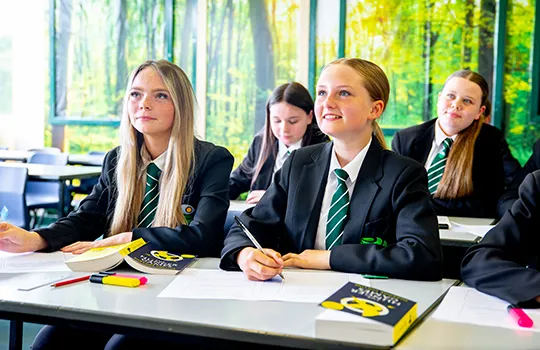 Photo: Greenfield Academy, via greenfieldacademy.org.uk
The Fair Trade Alternative
Finding Ethical Suppliers
The good news? Ethical school uniform options do exist, and they're becoming increasingly accessible. Companies like Uniform Direct and Banner Schoolwear now offer fair trade certified ranges, ensuring workers receive fair wages and safe working conditions.
Yes, these options typically cost more upfront – perhaps 20-30% above conventional alternatives. But consider the cost per wear over a school year, factor in superior quality and durability, and the financial gap narrows considerably.
The Second-Hand Revolution
Pre-loved uniforms represent the ultimate ethical choice. Facebook groups like 'Uniform Exchange [Your Area]' have sprung up nationwide, connecting families looking to pass on outgrown items with those seeking affordable alternatives.
Sarah Thompson, mother of three from Leeds, swears by this approach: "I've probably saved £200 this year alone through uniform swaps. The clothes are often barely worn, and I love knowing we're keeping perfectly good items in circulation rather than contributing to waste."
Making the Transition
Start Small
You don't need to overhaul your child's entire wardrobe overnight. Begin with basics – polo shirts and trousers that see the most wear. Research shows these items typically need replacing most frequently anyway.
School Engagement
Approach your child's school about their uniform policy. Many institutions are surprisingly receptive to discussions about ethical sourcing, particularly when framed around the values they're trying to instil in students.
Present alternatives rather than just criticism. Research local ethical suppliers, gather pricing information, and propose practical solutions like uniform banks or partnership deals with fair trade manufacturers.
Quality Over Quantity
Invest in fewer, better-made pieces rather than multiple cheap alternatives. A well-constructed blazer might cost £60 instead of £25, but if it lasts three years instead of one, the mathematics favour quality.
The Ripple Effect
When we choose ethical school uniforms, we're doing more than just clothing our children. We're casting a vote for the kind of world we want them to inherit. We're demonstrating that our values extend beyond our postcode, and that the choices we make in Marks & Spencer or John Lewis can genuinely impact a seamstress in Bangladesh or a cotton farmer in Peru.
Moreover, we're teaching our children that convenience and cost shouldn't be our only considerations. In a world where they'll face countless ethical decisions, showing them how to weigh up true costs – social, environmental, and economic – provides invaluable life skills.
Beyond September
The school uniform conversation is really about something much bigger: how we consume, what we value, and whether we're willing to pay the true price for the goods we purchase. It's about recognising that in our interconnected world, every buying decision is also a moral one.
This September, as you navigate the familiar maze of school shopping, consider pausing before that bargain blazer. Ask yourself: what's the real cost? And more importantly: what message am I sending my child about the value of human dignity versus the value of a pound saved?
The answers might just reshape how your family approaches consumption far beyond the school gates.