The Sweet Revolution: How Weekend Baking Connects Your Kitchen to Cocoa Farmers in Ghana
The Ritual We All Know
There's something gloriously British about the weekend baking ritual. The gentle hum of the oven warming up, flour dusting the worktop, and that familiar anticipation as chocolate chip biscuits rise to golden perfection. But what if I told you that your humble weekend treats hold the power to change lives halfway across the world?
Every time you crack open that bag of caster sugar or unwrap a bar of dark chocolate, you're connected to farming families in places like Ghana, Ecuador, and Madagascar. The question is: what kind of story are your ingredients telling?
Beyond Coffee: The Forgotten Heroes of Fair Trade
When most of us think about fair trade, coffee and tea spring to mind immediately. But the movement extends far beyond our morning cuppa into the very heart of British baking culture. Cocoa, vanilla, and sugar – the holy trinity of weekend treats – represent some of the most transformative fair trade success stories.
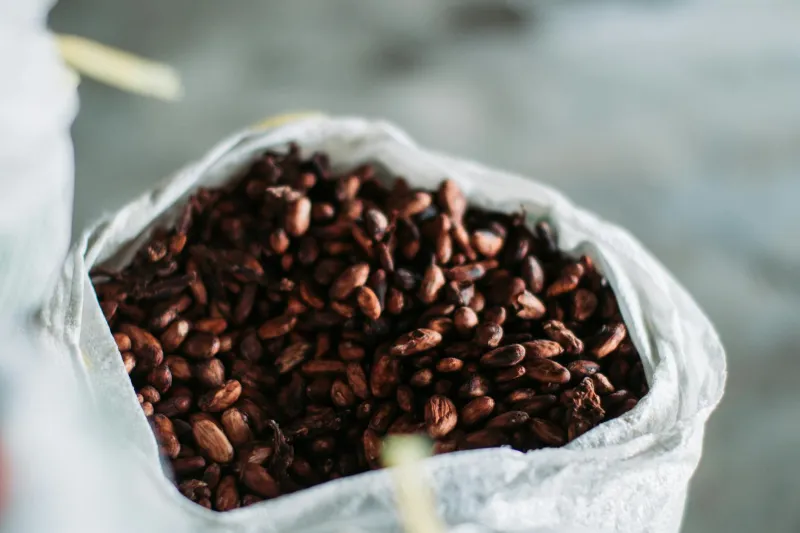
Take the Kuapa Kokoo cooperative in Ghana, for instance. This farmer-owned organisation represents over 100,000 cocoa growers, many of whom are women. Through fair trade premiums, they've built schools, installed clean water systems, and provided healthcare facilities that serve entire communities. When you choose their fairly traded cocoa for your brownies, you're directly funding these community projects.
The Real Cost of Cheap Ingredients
Conventional sugar production often relies on exploitative labour practices, particularly in developing nations. Workers frequently earn below living wages whilst dealing with dangerous working conditions and limited access to healthcare or education for their children. The environmental impact is equally sobering, with intensive farming methods depleting soil and contaminating water sources.
Vanilla presents perhaps the starkest example. As the world's second most expensive spice after saffron, you'd expect vanilla farmers to live comfortably. Yet most vanilla growers in Madagascar – which produces 80% of the world's supply – struggle with poverty. Fair trade vanilla cooperatives like SYMVAN work to change this narrative, ensuring farmers receive fair prices whilst promoting sustainable growing practices.
Your Shopping Basket as a Force for Good
The beauty of ethical baking lies in its accessibility. You don't need to overhaul your entire lifestyle – simply swapping a few key ingredients can make a profound difference. Here's how to transform your weekend baking:
Start with chocolate: Brands like Divine, Green & Black's, and Co-op's own-label offer excellent fair trade options available in most UK supermarkets. The taste difference is remarkable – fairly traded chocolate often has more complex flavour profiles because farmers can invest in quality processing.
Sweeten responsibly: Fairtrade sugar is now widely available across Tesco, ASDA, and Sainsbury's. The Kasalath Sugar Factory in Malawi, supported by fair trade premiums, has built schools and provided scholarships for over 2,000 children. Your lemon drizzle cake suddenly carries much more meaning.
Don't forget vanilla: Though pricier upfront, fair trade vanilla extract transforms both your baking and farming communities. Madagascar's SYMVAN cooperative has used premiums to build cyclone-resistant warehouses and provide microfinance loans to members.
The Ripple Effect in Your Community
Choosing ethical ingredients creates positive change closer to home too. Independent wholefood shops and community markets often stock fair trade products, supporting local businesses whilst promoting global justice. Many UK towns now host fair trade stalls at weekend markets, creating connections between conscious consumers and passionate advocates.
At St Michaels, we've witnessed firsthand how fair trade choices spark conversations. When neighbours taste your ethically-made ginger biscuits and ask about the ingredients, you're spreading awareness naturally. These kitchen-table conversations often prove more persuasive than any campaign poster.
Making the Switch: Practical Tips
Transitioning to fair trade baking needn't break the bank or complicate your routine. Start small – perhaps swap your usual chocolate chips for fair trade alternatives, or try fair trade brown sugar in your next batch of cookies. Many people discover that ethically sourced ingredients actually improve their baking, as fair trade often means higher quality products.
Buy in bulk when possible to reduce costs, and consider splitting larger quantities with friends or neighbours. Online retailers like Ethical Superstore often offer competitive prices on fair trade baking essentials, whilst subscription services can ensure you never run out of your favourites.
The Bigger Picture
Your weekend baking connects you to a global network of farmers, cooperatives, and communities working towards a more equitable food system. Each fairly traded ingredient represents someone's livelihood, their children's education, and their community's future.
Next time you're measuring out cocoa powder for those weekend brownies, remember that you're not just baking – you're participating in a sweet revolution that's transforming lives one recipe at a time. Now that's what I call the perfect ingredient for any kitchen.