From Village Halls to Global Villages: How Britain's Bake-Off Culture Can Rise to New Heights
The Great British Bake-Off Meets Global Justice
Every weekend across Britain, the familiar aroma of freshly baked cakes wafts through village halls, school gymnasiums, and office kitchens. The charity bake sale—that quintessentially British institution—has been raising funds for good causes since time immemorial. Yet whilst we're busy counting the pounds raised for the local hospice or children's charity, we rarely pause to consider the global journey of our baking essentials.
That bag of cocoa powder? Those vanilla pods? The chocolate chips dotting your fairy cakes? Each carries its own story of farmers, families, and communities thousands of miles away. And here's the beautiful irony: whilst we're baking to support one cause, we could simultaneously be supporting another—if only we knew where to look.
The Hidden Ingredients in Your Good Intentions
Consider the typical charity cake stall. Tables groan under the weight of chocolate brownies, lemon drizzle cakes, and those irresistible rocky road squares. But lurking beneath the icing sugar and fond memories of Great British Bake Off lies a less palatable truth. Much of what we bake with comes from supply chains that offer farmers little more than subsistence wages.
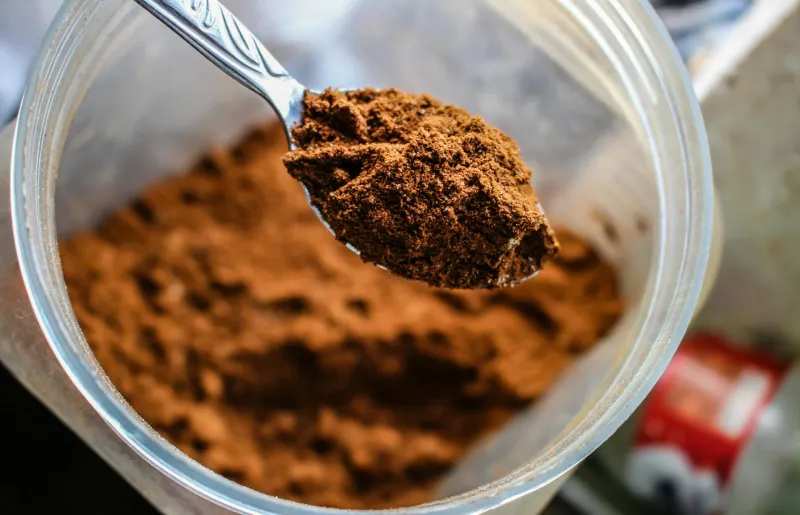
Take cocoa, the backbone of Britain's favourite chocolate treats. The majority of the world's cocoa comes from West Africa, where farmers often earn less than £2 per day. Meanwhile, your humble chocolate cake might sell for £3 a slice at the parish fundraiser. The mathematics of fairness simply don't add up.
Vanilla tells a similar story. This precious flavouring, more valuable per kilogram than silver, comes primarily from Madagascar and Indonesia. Yet the farmers who hand-pollinate each vanilla orchid flower—a process so delicate it must be done at dawn—see precious little return for their painstaking labour.
The Recipe for Change
But here's where the story gets delicious. Across Britain, forward-thinking community groups are discovering that switching to fair trade ingredients needn't break the bank or compromise on taste. In fact, it often enhances both the flavour and the story behind each slice.
The Cotswolds village of Chipping Norton made headlines last year when their annual church fête went entirely fair trade. "We were already raising money for clean water projects in Kenya," explains committee member Sarah Henderson. "When we realised our baking ingredients could support farmers in similar communities, it felt like completing the circle."
The transformation wasn't as daunting as expected. Fair trade cocoa powder costs roughly 30p more per 200g than standard alternatives—a difference that disappears entirely when you consider the premium people pay for homemade cakes. Fair trade vanilla extract, whilst initially pricier, goes further due to its intensity of flavour.
Small Changes, Big Impact
The beauty of the fair trade bake sale revolution lies in its simplicity. You needn't overhaul your grandmother's Victoria sponge recipe—just swap the ingredients. Divine Chocolate's cocoa powder works identically to standard brands. Steenbergs' fair trade vanilla extract actually improves most recipes with its deeper, more complex notes.
For community groups taking their first steps, the approach is refreshingly straightforward. Start with one or two key ingredients—cocoa and vanilla are obvious choices given their prevalence in British baking. Source them from established fair trade suppliers like Traidcraft or Equal Exchange, both of which offer bulk buying options for community groups.
The Yorkshire town of Hebden Bridge has taken this approach to impressive heights. Their monthly farmers' market now features a dedicated fair trade cake stall, with local bakers competing to create the most innovative recipes using ethically sourced ingredients. "It's become a point of pride," notes organiser Janet Mills. "People ask specifically for the 'fair trade brownies' now."
Beyond the Bake Sale
The ripple effects extend far beyond weekend fundraisers. Schools incorporating fair trade baking into their curriculum find it opens conversations about global citizenship that textbooks struggle to match. When Year 6 pupils at St. Mary's Primary in Bath baked fair trade chocolate chip cookies for their harvest festival, they simultaneously learned about farming cooperatives in Ecuador and raised £200 for local food banks.
Office bake sales—that Monday morning ritual designed to ease us back into the working week—offer another opportunity. With corporate social responsibility increasingly important to employees, many companies are embracing fair trade office baking as a simple way to demonstrate values in action.
The Sweet Spot of Social Change
Perhaps most remarkably, the fair trade bake sale movement demonstrates how traditional British community spirit can embrace global consciousness without losing its essential character. The WI meetings still happen every Tuesday. The church fête still features its traditional tombola and guess-the-weight-of-the-cake competition. The office still rallies round when someone needs support.
The difference lies in the ingredients list—and in the knowledge that each slice sold supports not just one good cause, but two. When your lemon drizzle cake raises £50 for the local air ambulance whilst simultaneously ensuring fair wages for vanilla farmers in Madagascar, you've achieved something rather special: proof that small acts of kindness can span continents.
In a world where global challenges can feel overwhelming, the fair trade bake sale offers something beautifully tangible. It's activism you can taste, community spirit you can share, and global citizenship you can serve with a cup of tea. And really, what could be more British than that?