Tomorrow's Shoppers Start Today: How Britain's Schools Are Building an Ethical Consumer Revolution
Tomorrow's Shoppers Start Today: How Britain's Schools Are Building an Ethical Consumer Revolution
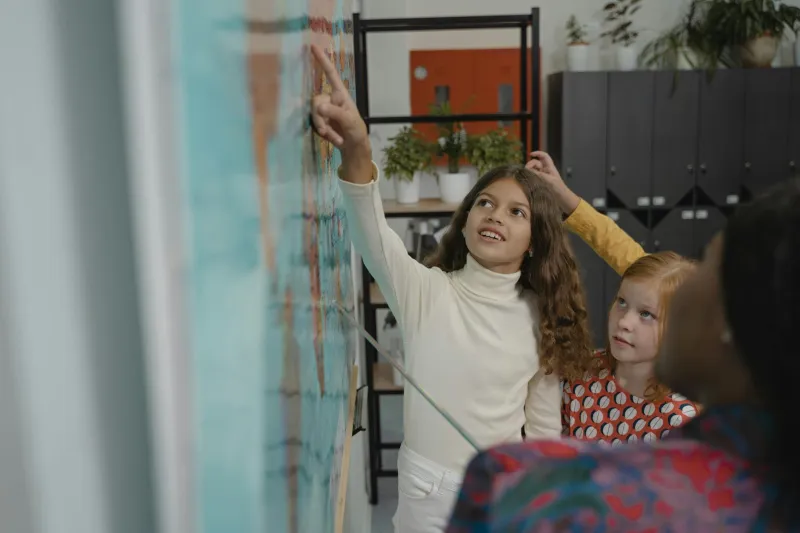
Walk into Meadowbrook Primary in Manchester on a Wednesday afternoon and you'll witness something remarkable. Eight-year-old Emma is carefully counting out coins for a Fairtrade chocolate bar, explaining to her friend why it costs "a bit more but helps farmers have better houses." Meanwhile, in the geography classroom upstairs, Year 6 pupils are plotting coffee-growing regions on a world map, connecting the dots between their breakfast brew and smallholder farmers in Guatemala.
This isn't just progressive education in action—it's the foundation of Britain's ethical consumer future being laid one lesson at a time.
The Curriculum Revolution Nobody's Talking About
Fair trade education has quietly woven itself into British schools over the past decade, transforming how young people understand global supply chains and their role as consumers. The Fairtrade Foundation's Schools programme now reaches over 4,000 educational institutions across the UK, but the real magic happens in how teachers are reimagining traditional subjects through an ethical lens.
Take Sarah Mitchell, a Year 4 teacher at Oakwood Community School in Bristol. "We don't have a separate 'fair trade lesson,'" she explains. "Instead, we use fair trade as a thread that runs through everything—from maths problems calculating farmer premiums to art projects inspired by Ghanaian textile patterns."
This integrated approach means pupils aren't just learning about fair trade as a concept; they're developing critical thinking skills about consumption, globalisation, and social justice that will influence their shopping habits for decades to come.
Student Power in Action
Perhaps nowhere is this more evident than in the student-led campaigns sprouting across secondary schools. At Riverside Academy in Leeds, the Sixth Form Fair Trade Committee successfully lobbied their school caterers to switch to ethically-sourced tea and coffee—a change affecting 1,200 students and staff daily.
"We started by researching where our school's food actually came from," says committee chair James Patterson, 17. "When we discovered our tea supplier couldn't guarantee fair wages for growers, we knew we had to act. It took six months of presentations and negotiations, but seeing that Fairtrade logo in our canteen now feels incredible."
Similar stories are emerging nationwide. In Glasgow, St. Margaret's High School pupils organised a 'Fairtrade Fashion Show' featuring clothing from ethical brands, raising both funds and awareness. Down in Cornwall, Truro College students created a documentary about local fair trade businesses, which now features in their media studies curriculum.
Beyond the Classroom: Tuck Shops as Training Grounds
The humble school tuck shop is proving an unexpected laboratory for ethical consumption. Schools participating in the Fairtrade Schools programme commit to selling certified products, but many are going further, using these spaces as practical learning environments.
At Greenfield Academy in Birmingham, the student-run tuck shop operates as a social enterprise. Pupils learn about profit margins, supply chains, and ethical sourcing whilst managing real transactions. "They're not just buying a banana," explains business studies teacher David Chen. "They're making a conscious choice to support smallholder farmers in Ecuador. That's a powerful lesson in how individual actions connect to global impact."
The results speak for themselves. Schools report that pupils who engage with fair trade education are more likely to check product labels, ask questions about sourcing, and influence family purchasing decisions. They're essentially becoming ethical consumption ambassadors in their own homes.
The Ripple Effect: When Children Teach Parents
This generational influence is perhaps the most significant long-term impact of fair trade education. Teachers consistently report that pupils take their learning home, challenging family shopping habits and introducing parents to new perspectives on consumption.
"My daughter came home from school and asked why we weren't buying fair trade bananas," laughs parent Michelle Roberts from Cardiff. "Honestly, I'd never really thought about it. Now our whole family shops differently. She's made us more conscious consumers."
This reverse education effect amplifies the impact of school programmes exponentially. Each engaged pupil potentially influences an entire household's purchasing patterns, creating ripples of change that extend far beyond school gates.
Blueprint for Change: Starting Your School's Ethical Journey
For schools wanting to embark on this journey, the path is clearer than ever. The Fairtrade Foundation offers comprehensive resources, from lesson plans to assembly presentations, making implementation accessible regardless of experience or budget.
The process typically begins with forming a Fairtrade committee involving students, staff, and governors. This group develops an action plan covering curriculum integration, product sourcing, and community engagement. Schools must meet specific criteria around teaching, selling fair trade products, and raising awareness to achieve official Fairtrade School status.
Crucially, successful programmes emphasise student leadership. "The most effective fair trade education happens when pupils drive the agenda," notes education consultant Dr. Helen Morrison. "When students own the process, they develop genuine passion for ethical consumption that lasts beyond their school years."
The Future is in Safe Hands
As these young consumers mature, they're bringing unprecedented awareness of supply chain ethics to their purchasing decisions. Market research suggests that Generation Z prioritises brand values more than any previous generation, willing to pay premiums for products aligned with their ethical standards.
This shift represents more than changing consumer preferences—it's a fundamental reimagining of the relationship between commerce and conscience. Today's fair trade-educated pupils will become tomorrow's business leaders, policymakers, and consumers, carrying forward values of equity and sustainability that could transform global trade.
The revolution happening in Britain's schools isn't just about education; it's about hope. Every child who learns to read a Fairtrade label, every teenager who campaigns for ethical sourcing in their canteen, every family whose shopping habits change through their child's influence—they're all building the foundation of a fairer economy.
At St Michaels and communities across the UK, we're witnessing the early stages of this transformation. The next generation isn't just learning about fair trade; they're living it, breathing it, and preparing to make it the norm rather than the exception. The future of ethical consumption has never looked brighter.