Small Hands, Global Impact: How Your Child's Daily Snack Choices Are Rewiring the World
The 7:30am Revolution
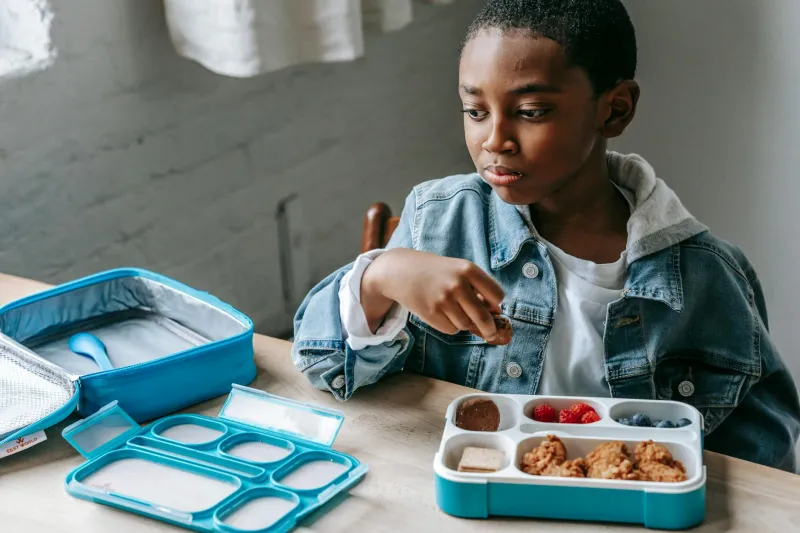
It's Tuesday morning. You're running late, the uniform's not quite dry, and your eight-year-old has just announced they've forgotten their PE kit. In this familiar chaos, you grab whatever's closest for their packed lunch snack – probably that multipack of crisps from the corner shop, or the chocolate bar that's been lurking in the cupboard since last week's shop.
Sound familiar? You're not alone. But here's something that might surprise you: that split-second snack decision, multiplied across Britain's 8.7 million school children, represents one of the most powerful forces for global change hiding in plain sight.
The Hidden Journey in a KitKat
Take chocolate – the undisputed king of packed lunch treats. That innocent-looking chocolate bar tucked into your child's rucksack connects your kitchen to cocoa farms in West Africa, where 60% of the world's cocoa is grown. But here's the uncomfortable truth: many of these farms rely on child labour, with an estimated 1.56 million children working in hazardous conditions across Ghana and Côte d'Ivoire.
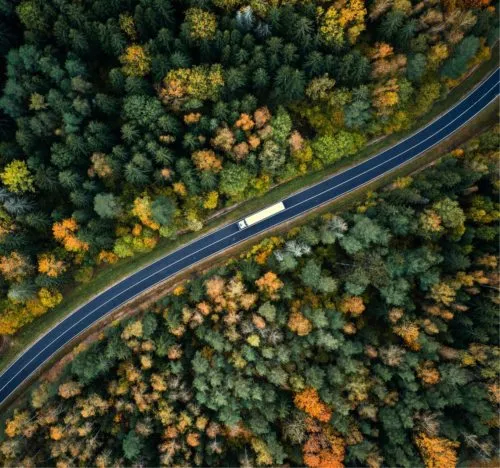 Photo: Côte d'Ivoire, via www.grantthornton.co.za
When you choose a fair trade chocolate bar instead – brands like Divine, Traidcraft, or even mainstream options like Cadbury Dairy Milk (which carries Fairtrade certification) – you're not just feeding your child. You're ensuring cocoa farmers receive a fair price for their crop, communities get investment in schools and clean water, and crucially, children on those farms get to go to school instead of working in the fields.
The Juice Box Dilemma
Fruit juice presents another hidden ethical maze. Those convenient little cartons often contain orange juice from Brazil's São Paulo state, where seasonal workers frequently face exploitation and unsafe working conditions. The solution? Look for Fairtrade certified juices from brands like Whole Earth or Copella's ethical range.
 Photo: São Paulo, via as1.ftcdn.net
But here's where it gets interesting: fair trade juice isn't just about worker welfare. It's about environmental protection too. Fair trade standards prohibit the most harmful pesticides and encourage sustainable farming practices. So your child's morning drink choice ripples out to protect both people and planet.
The Crisp Conundrum
Even seemingly innocent snacks like crisps carry ethical weight. Many flavourings rely on spices grown in developing countries – that tangy tomato powder might come from Turkey, the paprika from Spain or Hungary. While fair trade crisps are rarer, brands like Pipers and Tyrrells are increasingly sourcing ingredients ethically.
The key is reading labels. Look for products that specify their sourcing – "British potatoes," "sustainably sourced palm oil," or "Rainforest Alliance certified." These aren't just marketing buzzwords; they represent supply chain decisions that affect real people.
The Parent-Friendly Swap Guide
So how do you navigate this ethical minefield when you're already juggling work deadlines and football practice? Start small:
Chocolate swaps: Replace mainstream chocolate bars with Divine (available in most supermarkets), or look for the Fairtrade logo on Cadbury products. Yes, they cost slightly more, but we're talking pence, not pounds.
Fruit alternatives: Swap individual juice boxes for Whole Earth organic drinks, or better yet, invest in a reusable bottle and fill it with fair trade squash diluted with tap water. Your wallet and the planet will thank you.
Biscuit upgrades: Traidcraft's range includes child-friendly options like chocolate chip cookies. Alternatively, many supermarket own-brand ranges now include Fairtrade certified biscuits at comparable prices.
The Collective Power of Small Choices
Here's the thing that makes this revolution so quietly powerful: you don't need to be perfect. If every parent in your child's class made just one fair trade swap per week, that's 30 families creating demand for ethical products. Scale that up across Britain's schools, and you're looking at a purchasing power worth millions.
This isn't about guilt or perfection – it's about progress. Some days you'll grab whatever's available. But on the days when you can choose, choose consciously.
Building Tomorrow's Ethical Consumers
Perhaps most importantly, these small daily choices are teaching your children something profound: that their decisions matter beyond their immediate world. When you explain why you've chosen that particular chocolate bar or juice box, you're raising a generation that thinks globally while acting locally.
Your child might not remember the specific snacks they ate in Year 3, but they'll remember that their parents cared about how their choices affected people they'd never meet. In a world that often feels overwhelming and disconnected, that's a powerful lesson to pack alongside their sandwiches.
The school run might feel like a small, domestic routine, but it's actually a daily opportunity to vote for the world you want your children to inherit. And sometimes, the most revolutionary act is simply reaching for a different chocolate bar.