Small Change, Big Impact: Why Your Child's First Pound Could Transform Lives
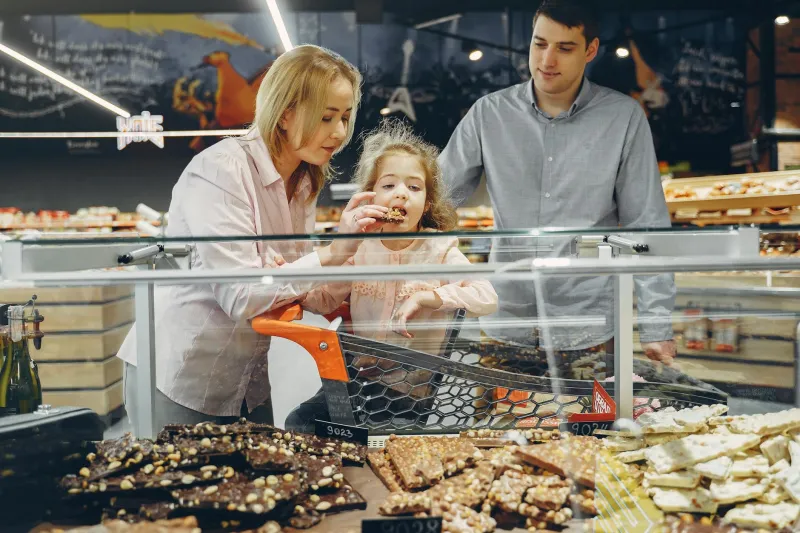
The Five-Pound Lesson That Changed Everything
Sarah Jenkins from Birmingham still remembers the day her eight-year-old daughter Mia came home from school, clutching a crumpled fiver earned from helping with the washing up. "Mum, can we buy chocolate?" The simple request sparked what Sarah now calls "the most important conversation we've ever had about money."
Instead of heading to the nearest corner shop, Sarah suggested they explore where chocolate actually comes from. One YouTube video about cocoa farmers later, Mia was asking why some children her age couldn't go to school because they were working on plantations. That £5 eventually bought two bars of fair trade chocolate from their local wholefood shop – and launched a family tradition of "pocket money with purpose."
Beyond Sweets: The Everyday Ethics Revolution
Across Britain, parents are discovering that pocket money represents far more than financial literacy. It's the perfect gateway to conversations about global supply chains, worker rights, and environmental impact. The beauty lies in starting small – literally.
Fair trade stickers and pencils cost the same as conventional alternatives, yet they carry stories that capture young imaginations. Ten-year-old James from Leeds became fascinated with banana farming after choosing fair trade fruit with his weekly allowance. His mother, Claire, explains: "He started asking about every piece of fruit we bought. Now our whole family shops differently."
The key is making abstract concepts tangible. When children understand that their 50p can help build a school in Guatemala or provide clean water in Ghana, spending becomes an act of connection rather than consumption.
Age-Appropriate Activism: From Toddlers to Teenagers
The approach varies dramatically with age, but the underlying principle remains constant: every purchase is a vote for the kind of world we want.
Ages 4-7: The Story Stage Young children respond to narratives. Fair trade products come with built-in stories – the farmer who grew the cocoa, the artisan who wove the basket, the community that benefits from ethical trade. Picture books like "The Chocolate Tree" help bridge the gap between bedtime stories and breakfast choices.
Ages 8-12: The Detective Phase This age group loves investigation. Challenge them to become "label detectives," hunting for certification marks and researching companies online. Many discover they can afford fair trade versions of their favourite treats by saving up or choosing quality over quantity.
Ages 13+: The Activist Era Teenagers often embrace causes with fierce dedication. They might choose to spend their money exclusively on ethical brands or start campaigning for fair trade options in school canteens. Their influence extends beyond family purchasing – they shape peer group attitudes and challenge corporate practices through social media.
The Ripple Effect: When Children Lead Change
What starts as individual choice often becomes family transformation. Research from the Fairtrade Foundation shows that households with ethically-minded children increase their fair trade spending by an average of 40% within two years.
Ten-year-old Aisha from Manchester convinced her entire extended family to switch to fair trade tea after learning about plantation workers' conditions. "My nan said she'd been drinking tea for seventy years and never thought about who picked it," Aisha explains. "Now she tells everyone at bingo about fair trade."
Practical Pocket Money: Making Ethics Accessible
The challenge isn't convincing children to care – it's making ethical options available and affordable within typical pocket money budgets. Here's where creative parenting meets practical activism:
The Matching Fund Approach: Some families match fair trade purchases pound-for-pound, effectively halving the cost for children while doubling their impact understanding.
The Choice Challenge: Present two options at similar price points – conventional and fair trade – then discuss the difference. Children often choose the ethical option when they understand the story behind it.
The Saving Strategy: Encourage children to save for higher-value fair trade items like clothing or sports equipment, teaching patience alongside ethics.
Building Tomorrow's Conscious Consumers
Every generation faces the challenge of creating a more equitable world. Today's children will inherit global supply chains, climate change consequences, and inequality gaps that seem insurmountable. Yet they also inherit something powerful: the knowledge that individual choices aggregate into collective change.
When we teach children to spend fairly, we're not just changing their purchasing habits. We're developing their capacity for empathy, their understanding of global interconnection, and their belief in personal agency. These lessons extend far beyond shopping – they shape how young people approach voting, career choices, and community involvement.
Starting Your Own Pocket Money Revolution
The transformation begins with a single conversation. Next time your child receives money – whether birthday cash, pocket money, or payment for chores – pause before the spending spree. Ask where they'd like to shop and why. Introduce the concept that money is power, and power comes with responsibility.
Visit your local fair trade stockist together. Many towns now have dedicated ethical shops, while major supermarkets increasingly offer fair trade alternatives. Let children compare prices, read labels, and ask questions. Most importantly, let them make choices.
The pocket money revolution isn't about restricting children's freedom – it's about expanding their understanding of what freedom means. When young people recognise that their small change can create big change, they discover something remarkable: the power to shape the world, one purchase at a time.