Silver Power: How Britain's Seasoned Citizens Are Rewriting the Rules of Ethical Shopping
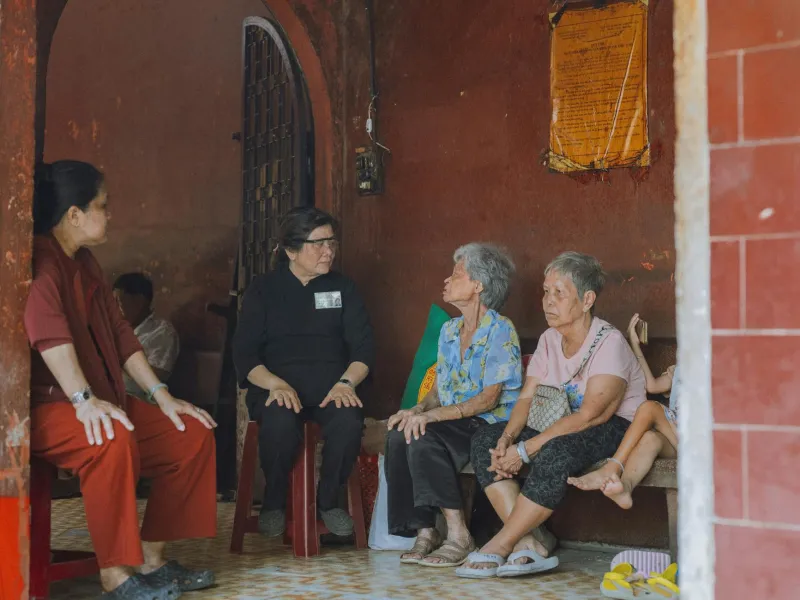
The Wednesday Morning Warriors
Every Wednesday at 10 AM, the Cotswold Women's Institute transforms into something resembling a corporate boardroom crossed with a detective agency. Armed with magnifying glasses, smartphones, and decades of shopping experience, twenty-three women systematically dissect the supply chains behind their weekly groceries.
 Photo: Cotswold Women's Institute, via www.cotswoldsradio.com
"We've got time to read the small print," declares Margaret Thornton, 68, brandishing a packet of biscuits like evidence in a court case. "And we've got the patience to find alternatives." This isn't your grandmother's WI – it's a precision-engineered ethical consumption machine that would make any corporate sustainability team weep with envy.
Across Britain, similar scenes unfold in community centres, church halls, and front rooms. The over-60s demographic, often dismissed as set in their ways, is systematically revolutionising how ethical products reach British households.
The Perfect Storm of Influence
Retirement creates a unique combination of resources that younger demographics simply cannot match. Time to research. Money to spend thoughtfully rather than hastily. Social networks built over decades. Most crucially, a perspective that prioritises legacy over immediate gratification.
"I spent forty years buying whatever was cheapest and quickest," admits David Richardson, 72, from his allotment in Derbyshire. "Now I've got time to think about what my purchasing actually supports." David's transformation began three years ago when his U3A group visited a fair trade coffee roastery. He now spends twice as much on coffee but half as much overall, having eliminated impulse purchases entirely.
The mathematics are compelling. The over-60s control approximately 40% of Britain's disposable income while representing just 25% of the population. They shop more frequently than younger generations, often daily rather than weekly. They have established relationships with local retailers. They vote in higher proportions and volunteer more actively in community organisations.
When this demographic embraces ethical consumption, the ripple effects are profound.
Beyond Individual Choice: The Network Effect
The real power lies not in individual purchasing decisions but in the social architecture that surrounds them. Britain's over-60s operate within dense networks of influence that amplify every ethical choice.
Consider the case of Brenda Walsh, 65, from Exeter. Her switch to fair trade tea influenced her book club, which influenced their partners, which influenced three local shops to expand their ethical ranges. Within eighteen months, one woman's beverage preference had shifted purchasing patterns across forty-seven households.
"We talk," explains Brenda simply. "Young people text or tweet. We actually talk to each other, face to face, regularly." These conversations happen in contexts where purchasing advice carries particular weight – between friends who've known each other for decades, in groups that meet weekly, among people whose recommendations have been tested and trusted over years.
The Volunteer Advantage
Retirement often coincides with increased community involvement, creating multiple platforms for ethical advocacy. The same person might influence purchasing through their role on the parish council, their position in the local historical society, their volunteer work at the charity shop, and their membership of the gardening club.
John Stevens, 69, estimates he's directly influenced over 200 people to try fair trade products through his various volunteer roles in Harrogate. "I'm not preaching," he insists. "I'm just sharing what I've learned. But when you're organising the church coffee morning or helping at the school fair, you get to choose what gets served."
This quiet influence extends beyond immediate communities. Many over-60s are actively involved in local governance, sitting on town councils, school governing bodies, and community organisation committees. Their ethical preferences shape institutional purchasing decisions that affect hundreds or thousands of people.
Time-Rich, Research-Deep
While younger consumers might scan a label quickly or rely on brand recognition, Britain's over-60s approach ethical consumption with scholarly thoroughness. They research companies' histories, investigate certification standards, and cross-reference multiple sources before making purchasing decisions.
"I've got the luxury of time," explains Patricia Hamilton, 71, from her kitchen table in Bath, surrounded by printouts about palm oil sustainability. "I can spend an hour researching a bar of soap if I want to. Try doing that with three children and a full-time job."
This research-intensive approach creates highly informed consumers who become informal experts within their social circles. Their recommendations carry additional weight because they're perceived as thoroughly considered rather than impulsive or fashionable.
The Legacy Perspective
Perhaps most powerfully, many over-60s approach ethical consumption through the lens of legacy – what kind of world they're leaving for grandchildren and future generations. This long-term perspective often trumps short-term financial considerations.
"I won't be here to see the worst effects of climate change," reflects Robert Chen, 74, selecting fair trade bananas in his local Co-op. "But my granddaughter will. Every purchase is partly for her future."
This generational thinking creates consumer behaviour that prioritises sustainability over savings, quality over convenience, and impact over immediacy. It's a mindset that younger, time-pressed demographics often struggle to maintain despite good intentions.
Challenging the Narrative
The dominance of over-60s in ethical consumption challenges prevailing narratives about both age and activism. Media coverage of sustainable living typically focuses on young entrepreneurs, student protesters, and millennial lifestyle choices. Yet the demographic with the greatest actual purchasing power for ethical products remains largely invisible in these discussions.
"People assume we're stuck in our ways," laughs Susan Morrison, 67, who coordinates fair trade initiatives across twelve WI branches in Yorkshire. "They don't realise that having time to think actually makes you more open to change, not less."
This invisibility matters because it shapes how ethical brands market their products, how retailers stock their shelves, and how policymakers frame sustainability initiatives. Recognising the true demographics of ethical consumption could dramatically accelerate the availability and affordability of fair trade products.
The Compound Effect
As Britain's population ages, the influence of ethically-minded over-60s will only grow. Current demographic trends suggest this group will control an even larger share of consumer spending over the next decade while maintaining their high levels of community engagement and social influence.
The compound effect is already visible in market data. Fair trade sales in areas with higher proportions of over-60s residents consistently outperform national averages. Local retailers in these areas report increased demand for ethical alternatives across all product categories, not just the traditional fair trade staples of coffee and chocolate.
"We're not the future of ethical consumption," concludes Margaret Thornton from her Wednesday morning WI meeting. "We're the present. The question is whether everyone else will catch up."
In community centres across Britain, the revolution continues – one thoroughly researched, carefully considered, socially influential purchase at a time.