Sacred Commerce: How Britain's Places of Worship Are Quietly Leading the Ethical Shopping Revolution
The Unexpected Alliance
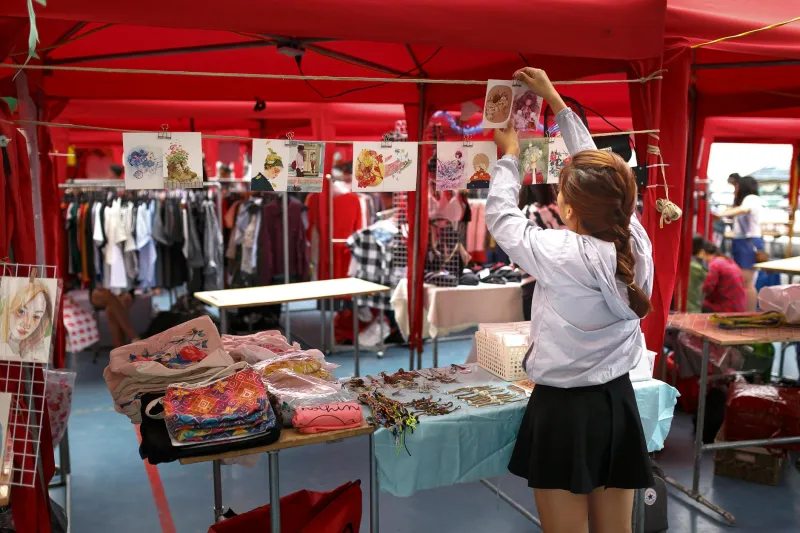
Walk into St. Mary's Church in Hebden Bridge on a Wednesday morning, and you'll find something remarkable happening alongside the usual parish activities. Between the flower arranging and bible study groups, a small but thriving fair trade stall operates from a corner table, stocked with everything from Ethiopian coffee to Palestinian olive oil. What started as a monthly initiative three years ago now turns over £800 each month, with every penny of profit supporting both the producers and local community projects.
This isn't an isolated phenomenon. Across Britain, places of worship are quietly becoming some of the most effective champions of ethical commerce, leveraging their unique position in community life to make fair trade accessible, trusted, and deeply meaningful.
Beyond Sunday Service: The Natural Partnership
The connection between faith and fair trade runs deeper than simple charity. Many religious traditions explicitly call for justice in trade relationships – from the Christian concept of stewardship to Islamic principles of fair dealing. But it's the practical advantages that make faith communities such powerful vehicles for change.
"We have something most retailers would kill for," explains Sarah Mitchell, who coordinates the fair trade initiative at Birmingham Central Mosque. "We have a captive audience who trust us, regular footfall throughout the week, and volunteers who genuinely care about the cause."
The mosque's monthly fair trade market, held after Friday prayers, regularly attracts over 200 shoppers. Beyond the obvious items like dates and honey, they stock fairly traded children's toys, handmade soaps, and even fair trade footballs – items that might seem unusual in a religious context but make perfect sense to parents looking for ethical alternatives.
The Trust Factor
What sets faith-based fair trade apart is the element of trust. When your local vicar recommends a chocolate bar, or your imam stocks a particular brand of tea, it carries weight that goes beyond marketing. These aren't commercial endorsements – they're moral recommendations from people whose integrity is central to their role.
Rabbi David Cohen from North London's New Synagogue puts it simply: "Our congregants know we're not trying to make a profit. When we say this coffee directly supports farming families in Guatemala, they believe us because they know our motivations are aligned with theirs."
This trust translates into remarkable loyalty. Regular customers at faith-based stalls often become evangelical about fair trade themselves, spreading the message to friends, family, and colleagues who might never set foot in a church, mosque, or synagogue.
Practical Steps for Sacred Spaces
For faith communities considering their own fair trade initiative, the path forward is surprisingly straightforward. Most successful programmes start small – perhaps a monthly stall with just a few core products like coffee, tea, and chocolate. The key is consistency rather than scale.
The Fairtrade Foundation offers specific support for faith communities, including starter packs and guidance on suppliers. Many communities begin by partnering with established fair trade retailers like Traidcraft or Equal Exchange, which offer sale-or-return arrangements that minimise financial risk.
Storage needn't be complicated – many initiatives operate from a simple cupboard or spare room, with volunteers taking turns to staff the stall. The Church of England's Diocese of Winchester has developed a particularly clever system where different parishes share stock and coordinate purchasing, reducing costs and ensuring variety.
Breaking Down Barriers
One of the most encouraging aspects of faith-based fair trade is how it breaks down traditional barriers. The Hindu temple in Southall that stocks fair trade incense attracts customers from across West London's diverse community. The Quaker meeting house in Brighton that runs a monthly ethical market has become a destination for conscious consumers regardless of their spiritual beliefs.
"People come for the products, but they stay for the conversations," notes Margaret Thompson, who runs the stall at her local Methodist church in Newcastle. "We've had customers who initially just wanted good coffee end up volunteering with our refugee support programme."
The Ripple Effect
The impact extends far beyond individual purchases. Faith communities that embrace fair trade often find it catalyses broader ethical thinking within their congregation. Churches report increased interest in ethical investment policies, environmental initiatives, and social justice campaigns.
The Sikh gurdwara in Wolverhampton began with a simple fair trade tea service but now runs workshops on ethical living, hosts talks from fair trade producers, and has inspired three other local gurdwaras to start their own initiatives.
A Model for the Future
As Britain grapples with questions about ethical consumption and global responsibility, faith communities offer a proven model for making change accessible and meaningful. They demonstrate that ethical shopping doesn't require specialist knowledge or significant lifestyle changes – just access to trusted alternatives and the gentle encouragement of a community that shares your values.
For Fair Trade at St Michaels, the message is clear: whether you're a person of faith or simply someone who values community-led change, these sacred spaces are showing us all how to shop with both our hearts and our conscience. In an age of impersonal online shopping and corporate dominance, they remind us that commerce can be both ethical and deeply human.
The revolution in ethical shopping might just be happening one parish hall, one community centre, and one trusted conversation at a time.