Platform Panic: Why Your Morning Coffee Says More About You Than Your LinkedIn Profile
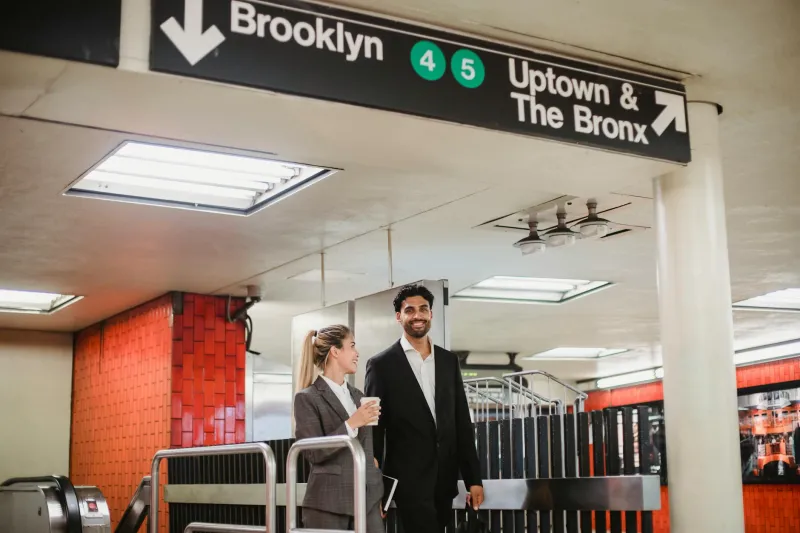
The 7:42 to Moral Reckoning
There's something beautifully British about the morning coffee queue. We shuffle forward with military precision, phones in hand, mentally rehearsing our order whilst simultaneously calculating whether we'll make the 8:15. It's a ritual so ingrained that most of us could navigate our local Costa or Pret with our eyes closed.
But here's the uncomfortable truth: that daily £3.50 you're spending isn't just buying you caffeine and a cardboard cup. It's casting a vote in a global election where the stakes couldn't be higher.
The Numbers Game We're All Playing
Britain consumes roughly 2.3 billion cups of coffee annually, with the average office worker spending over £700 a year on their daily fix. That's not just pocket change – it's serious economic power flowing through our high streets every single morning.
Yet here's where it gets interesting: while we're incredibly conscious about our digital footprints, posting carefully curated content about sustainability and social justice, we're simultaneously funding a system that often contradicts everything we claim to stand for.
The coffee industry employs 25 million farming families worldwide, most earning less than £1.50 per day. Meanwhile, that flat white you're sipping cost more than many coffee farmers see in a week.
The Convenience Conspiracy
We've been sold a story about convenience that's actually quite inconvenient when you think about it. The idea that ethical coffee means sacrificing speed, taste, or accessibility is perhaps the biggest marketing myth of our generation.
Take Sarah from Clapham, who discovered that switching from her usual chain to a local independent café actually shaved two minutes off her commute. "The queue moves faster because they know their regulars," she explains. "Plus, I can actually pronounce the name of the farm where my beans come from."
The Great British Coffee Awakening
Across the UK, a quiet revolution is brewing. Independent cafés sourcing directly from farmers are popping up faster than you can say "oat milk cortado." These aren't hipster hangouts demanding premium prices – they're legitimate alternatives that understand the modern commuter's needs.
In Manchester, Grounded Coffee has partnered with local train stations to offer grab-and-go fair trade options. Their founder, James Mitchell, puts it simply: "We're not asking people to change their routines. We're asking them to change where they point their purchasing power."
The Office Revolution
Some of the most significant changes are happening behind closed doors – literally. Progressive UK companies are quietly revolutionising their workplace coffee provision, recognising that ethical sourcing isn't just good PR; it's what their employees actually want.
Tech firm Monzo made headlines not for their banking innovations, but for their coffee procurement policy. They calculated that switching their office coffee to fair trade cost an additional £2 per employee per month – less than the price of a single high-street coffee.
Beyond the Bean Counter
The fair trade movement isn't asking you to become a coffee connoisseur overnight. It's asking you to become conscious of the invisible threads connecting your morning routine to farming communities thousands of miles away.
When you choose fair trade, you're not just buying coffee – you're investing in schools, healthcare systems, and sustainable farming practices that benefit entire communities. It's capitalism with a conscience, and it fits perfectly into a five-minute coffee break.
The Commuter's Toolkit
Making the switch doesn't require a complete lifestyle overhaul. Start small:
- Download apps like HappyCow or Good Coffee Guide to locate ethical options along your route
- Ask your workplace facilities team about fair trade options in office machines
- Keep a reusable cup handy – many ethical cafés offer discounts that offset any price difference
- Try the "Monday test" – switch to fair trade coffee just one day a week and build from there
The Ripple Effect
Here's what the big chains don't want you to know: they're watching. Every pound spent on ethical alternatives sends a signal that consumer priorities are shifting. Several major UK coffee chains have quietly increased their fair trade offerings in response to changing demand.
Your individual choice matters, but your collective choice as part of Britain's coffee-consuming millions? That's revolutionary.
The 8:15 Revelation
Next time you're standing in that familiar morning queue, take a moment to consider the journey your coffee has taken to reach you. From farm to cup, your daily caffeine fix connects you to a global community of growers, roasters, and retailers.
The question isn't whether you can afford to drink fair trade coffee. The question is whether you can afford not to.
Because in the end, your morning coffee choice says more about your values than any carefully crafted social media post ever could. And unlike your LinkedIn profile, this choice makes a real difference to real people, every single day.