From Nursery to Cocoa Farm: The Bedtime Story Hidden in Every Mug
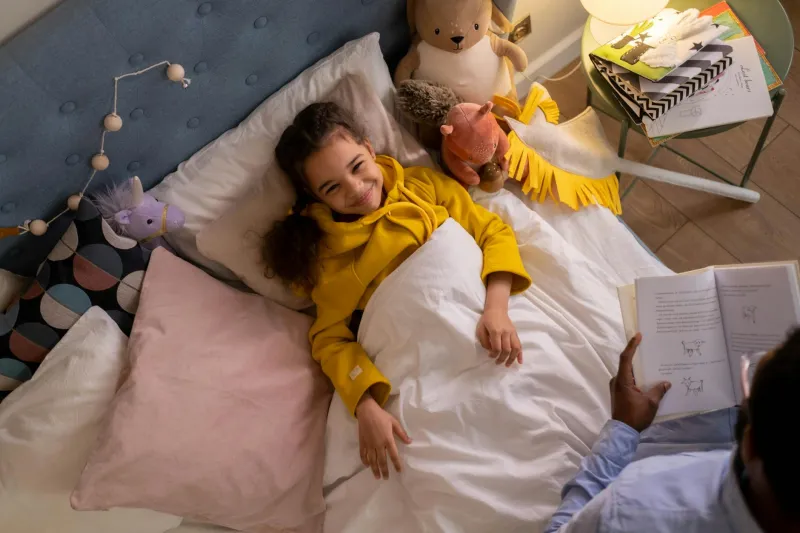
The Magic Hour That Connects Two Worlds
Across Britain, as the evening light fades and children's voices grow softer, millions of families partake in one of our most cherished rituals. The gentle clatter of a saucepan, the whisper of milk heating, the careful measuring of cocoa powder—bedtime hot chocolate isn't just about soothing little ones to sleep. It's an invisible thread that stretches from your kitchen to cocoa farms in Ghana, Côte d'Ivoire, and Ecuador, connecting your child's comfort to the livelihoods of farming families half a world away.
But here's the uncomfortable truth: whilst your little one drifts off to dreamland, children on conventional cocoa farms often face a very different reality. Many miss school to help with harvests, their families trapped in cycles of poverty that cheap cocoa prices perpetuate. The bedtime comfort we take for granted becomes a stark contrast to the opportunities denied to children in these farming communities.
The Real Cost of Conventional Cocoa
When supermarket own-brand cocoa powder costs less than a pound, it's worth asking where that money goes. Conventional cocoa trading typically sees farmers receive just 6% of the final retail price. For a family growing cocoa in rural Ghana, this translates to less than £1 per day per household—barely enough to cover basic necessities, let alone school fees or healthcare.
Sarah, a mother from Hertfordshire, discovered this reality whilst researching her daughter's geography project on West Africa. "I was horrified to learn that the cocoa in our nightly hot chocolate might be keeping children out of school," she reflects. "It felt wrong that our bedtime ritual of comfort and connection was built on someone else's hardship."
Where Fair Trade Changes Everything
Fair trade certification transforms this equation entirely. Farmers receive a guaranteed minimum price that covers production costs, plus a premium that communities invest in schools, healthcare, and infrastructure. For cocoa specifically, this means farmers typically earn 20-30% more than conventional prices—enough to keep children in school rather than working in fields.
Take the story of Akosua, a cocoa farmer in Ghana whose cooperative joined the fair trade movement five years ago. The premium her community receives has funded a new classroom block, solar panels for evening study, and a scholarship programme for secondary education. "Now our children can dream of becoming teachers, doctors, engineers," she explains. "The cocoa still grows, but so do our possibilities."
Making the Switch: Britain's Fair Trade Hot Chocolate Heroes
Fortunately, British shoppers have never had better access to ethically-sourced cocoa. Brands like Divine Chocolate, Green & Black's, and Clipper offer rich, flavourful options that make conventional alternatives taste disappointingly flat. Co-op's own-brand fair trade cocoa powder costs just pennies more than standard varieties, proving that ethical choices needn't break the bank.
For those seeking something special, artisan producers like Rococo Chocolates and Willie's Cacao source directly from farming cooperatives, often sharing stories and photos of the families behind their products. Imagine reading your child a bedtime story about Maria, the farmer who grew the cocoa in their mug, turning hot chocolate time into a geography lesson about global connections.
Beyond the Mug: Building Ethical Habits Early
This nightly ritual offers parents a golden opportunity to introduce children to concepts of fairness, global citizenship, and conscious consumption. When six-year-old Thomas from Manchester learned that his fair trade hot chocolate helps children in Ecuador go to school, he began insisting on "the kind that helps kids" for all chocolate purchases.
These early conversations about where food comes from and how our choices affect others lay foundations for lifelong ethical consumption. Children who understand that their bedtime cocoa connects them to farming families often become teenagers who question fast fashion, and adults who prioritise sustainability.
The Ripple Effect of One Simple Change
Choosing fair trade hot chocolate might seem like a small gesture, but its impact ripples far beyond individual purchases. When British families collectively demand ethical cocoa, it signals to retailers and manufacturers that consumers care about supply chain justice. Major supermarkets have responded by expanding fair trade ranges and improving sourcing practices across their chocolate offerings.
Moreover, this simple switch often catalyses broader changes in household purchasing. Families who start with fair trade cocoa frequently discover ethical coffee, sustainable cleaning products, and locally-sourced foods. The bedtime hot chocolate becomes a gateway to more conscious living.
Creating New Bedtime Traditions
Consider enhancing your evening ritual by exploring hot chocolates from different fair trade origins. Mexican spiced varieties introduce children to new flavours whilst supporting Central American cooperatives. Madagascan cocoa offers complex notes that older children can learn to identify, turning tasting into education.
Some families create "cocoa passports," tracking which countries their hot chocolate comes from and learning about each region's culture, geography, and farming practices. Others write letters to farming cooperatives, fostering direct connections that make global trade feel personal and real.
The Comfort That Comforts Others
As you stir tomorrow evening's hot chocolate, remember that you're not just creating comfort for your child—you're extending that comfort to farming families who depend on cocoa for their livelihoods. The warmth in your mug reflects the warmth of opportunity you're helping create in classrooms, clinics, and communities thousands of miles away.
In choosing fair trade, you transform a simple bedtime ritual into an act of global solidarity, proving that some of the most powerful changes begin with the smallest, most intimate moments. After all, the best bedtime stories are the ones where everyone gets a happy ending.