The Mother's Day Gift That Keeps on Giving: Why Handmade Beats Hothouse Every Time
The Uncomfortable Truth About Those Perfect Petals
Walk into any British supermarket this weekend and you'll be greeted by walls of vibrant blooms, each bouquet seemingly more perfect than the last. Roses that look like they've been crafted by nature's finest artist, lilies with petals so pristine they barely seem real. And in a sense, they're not — at least not in any way that should make us feel good about giving them.
Behind those flawless flowers lies a story that would make any loving son or daughter think twice. Those Kenyan roses? They're likely grown by women working 12-hour shifts for less than £2 a day, exposed to chemicals that cause headaches, skin irritation, and worse. The Colombian carnations? They come from farms where workers often lack basic safety equipment while handling toxic pesticides.
This Mother's Day, perhaps it's time to ask: is this really how we want to show our love?
When Beauty Comes at Too High a Price
The cut flower industry operates on a model that prioritises aesthetics over ethics. Those picture-perfect blooms require intensive chemical treatments to maintain their appearance during the long journey from farm to British high street. Workers — predominantly women — handle these chemicals daily, often without adequate protection.
Maria Gonzalez, who worked on Colombian flower farms for eight years before immigrating to the UK, describes conditions that would shock most British consumers: "We started at 4 AM, working in greenhouses that reached 40 degrees. The chemicals made our eyes water, our skin burn. But we needed the work."
The environmental cost is equally staggering. Cut flowers are among the most water-intensive crops on Earth, with a single rose requiring approximately 7-13 litres of water to grow. In regions already facing water scarcity, this creates additional pressure on local communities. Then there's the carbon footprint: those flowers travel thousands of miles in refrigerated transport, generating emissions that dwarf the environmental impact of most other gifts.
Rethinking What Love Looks Like
But here's the thing about Mother's Day gifts that truly matter: they don't need an expiry date. The most meaningful presents aren't the ones that look perfect for a week before ending up in the bin — they're the ones that carry stories, support livelihoods, and create connections that last.
Consider the difference between a bouquet that wilts and a hand-woven basket crafted by women's cooperatives in Rwanda. Both are beautiful, but only one creates ongoing employment, preserves traditional skills, and tells a story of empowerment that your mum can share with pride.
Gifts That Give Back
The alternative gift market has exploded in recent years, offering options that feel personal while supporting ethical production. Take pottery, for instance. A handmade mug from a fair trade ceramic cooperative doesn't just hold tea — it holds the story of artisans who've been paid fairly for their skills, often in communities where such opportunities are rare.
Sarah Williams, who runs an ethical gift boutique in Bath, has watched customer attitudes shift dramatically. "Five years ago, people saw fair trade gifts as worthy but boring," she explains. "Now they're seeking them out because they want their purchases to have meaning. They understand that a beautiful scarf made by women in India isn't just an accessory — it's supporting education for their children."
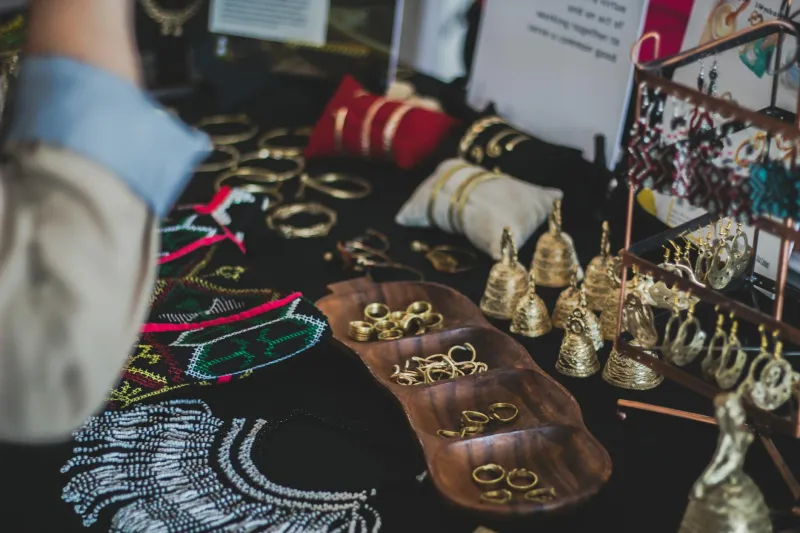
The range is remarkable. Jewellery crafted by survivors of conflict in Uganda. Chocolates made by farmer cooperatives in Ecuador who now own their entire supply chain. Textiles created by women who've learned traditional weaving techniques as a path out of poverty. Each purchase becomes a small act of international solidarity.
The Stories Behind the Goods
What makes these gifts special isn't just their ethical credentials — it's the human connection they represent. When you buy a hand-carved wooden bowl from a fair trade supplier, you're not just purchasing kitchenware. You're supporting a craftsperson who's learned skills passed down through generations, often in communities working to preserve traditional techniques against the tide of mass production.
Take the women's cooperative in Guatemala that creates stunning textiles using ancient Mayan patterns. Each piece sold through fair trade channels helps fund education programmes for their children and healthcare for their families. The buyer receives something beautiful and unique; the maker receives dignity, fair wages, and hope for the future.
The Practical Magic of Lasting Gifts
There's something deeply satisfying about giving a gift that becomes part of someone's daily life. That fair trade coffee mug gets used every morning, carrying its story into countless quiet moments. The handwoven throw becomes a source of comfort during winter evenings. The artisan-made jewellery accompanies your mum to special occasions, each wearing adding to its personal history.
These gifts age beautifully rather than simply aging. They develop character, accumulate memories, become part of the family story in ways that cut flowers simply cannot. They're conversation starters that allow the giver and receiver to share in something meaningful together.
Supporting Local Heroes
The beauty of choosing ethical gifts is that you're often supporting local businesses too. Independent shops that stock fair trade goods are typically passionate about their suppliers' stories. They can tell you about the cooperative that made your chosen gift, the community it supports, and the difference your purchase makes.
These retailers are fighting their own battle against online giants and high street chains. By choosing them for your Mother's Day shopping, you're supporting two sets of artisans — those who made the gift and those who've made it their mission to bring ethical goods to British consumers.
Making the Switch This Year
So what does an ethical Mother's Day look like in practice? Start by thinking about your mum's interests and daily routines. Does she love cooking? Consider a set of fair trade spices or handcrafted kitchen tools. Is she passionate about gardening? Look for ethically made planters or tools, paired with seeds from heritage varieties.
For the mum who loves beauty products, there are wonderful options from cooperatives that produce natural cosmetics using traditional recipes and sustainable ingredients. The packaging might not be as slick as high-end department store brands, but the stories behind them are infinitely more compelling.
The Gift That Keeps on Giving
When your mum uses that fair trade gift six months from now, she'll remember not just that you gave it to her, but why you chose it. She'll think about the hands that made it, the community it supports, and the values you share. That's a connection that cut flowers, however beautiful, simply cannot create.
This Mother's Day, consider giving something that honours not just your mum, but the mothers who crafted it too. Because the most beautiful gifts aren't the ones that photograph well for social media — they're the ones that create lasting change in the world, one thoughtful purchase at a time.
After all, isn't that the kind of legacy any mother would be proud to be part of?