Love, Honour and Trade Fairly: The New Wedding Registry Revolution
When Love Meets Conscience
Sarah and James from Brighton knew their wedding registry would be different the moment they visited a fair trade shop in The Lanes. "We didn't want another toaster or set of wine glasses gathering dust," Sarah explains. "We wanted every gift to represent our values and make a real difference to someone's life."
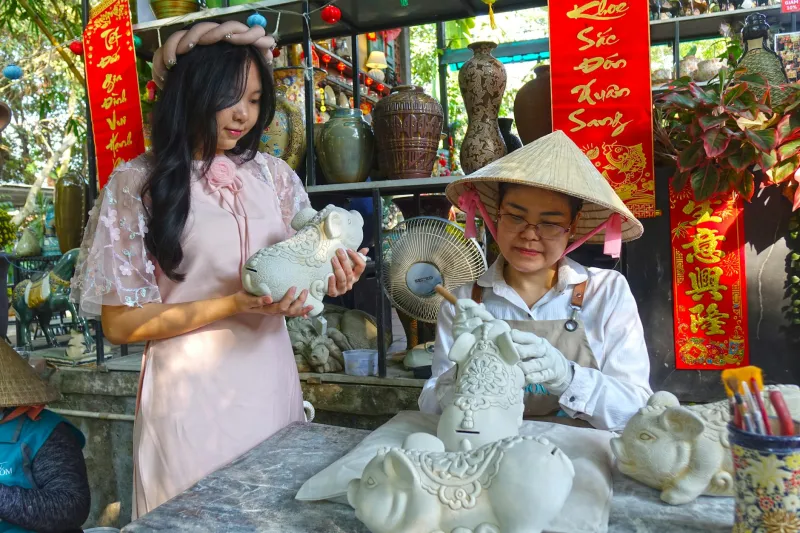
They're part of a growing movement across Britain where couples are reimagining the traditional wedding list. Instead of department store standards, they're choosing handcrafted ceramics from Guatemalan cooperatives, organic cotton bed linens from Indian women's collectives, and coffee that directly supports Ethiopian farming families.
Beyond the High Street Wedding List
The shift represents more than just consumer choice—it's a fundamental rethinking of how we mark life's most important moments. Traditional wedding registries, born in an era of post-war consumerism, focused on filling homes with matching sets and branded appliances. Today's couples, particularly millennials and Gen Z, are asking deeper questions about where their possessions come from and who benefits from their purchases.
"We're seeing couples who want their wedding gifts to reflect their relationship with the world," says Emma Thompson, coordinator of Fair Trade Weddings UK. "They understand that a hand-thrown mug from a women's pottery cooperative in Peru carries more meaning than mass-produced tableware."
The Stories Behind the Gifts
Consider the difference between a conventional duvet cover and one made by Rajesh Textile Cooperative in rural Rajasthan, where women earn fair wages whilst maintaining traditional block-printing techniques passed down through generations. The latter doesn't just keep you warm—it preserves cultural heritage and provides sustainable livelihoods.
Tom and Lucy from Manchester discovered this when building their registry. "Each item we chose had a story," Tom recalls. "Our guests weren't just buying us presents—they were supporting a beekeeper in Zambia, a weaver in Ecuador, or a spice farmer in Sri Lanka. It made the whole experience feel connected to something bigger."
Practical Steps to Ethical Gift-Giving
Creating a fair trade wedding registry requires more thought than clicking through a department store website, but the process can be deeply rewarding. Start by identifying your genuine needs—do you actually need twelve place settings, or would six beautiful handmade plates serve you better?
Look for certifications: the Fairtrade Mark, WFTO (World Fair Trade Organization) guarantee, or B-Corp certification. These ensure your purchases genuinely support ethical trading practices. Many independent fair trade retailers now offer gift registry services, allowing you to curate items from multiple sources.
Consider experiential gifts too. Instead of physical items, some couples request contributions towards fair trade coffee subscriptions, ethical chocolate-making workshops, or even honeymoon stays at eco-lodges that support local communities.
The Ripple Effect
The impact extends far beyond the wedding day. "Our fair trade registry introduced our families to ethical shopping," explains Priya from Leeds, who married last summer. "My mother-in-law now exclusively buys fair trade tea, and my dad started questioning where his coffee comes from. One wedding list changed how fifteen families think about their purchases."
This multiplier effect is precisely what fair trade advocates hope to achieve. When wedding guests discover the quality and story behind ethically-sourced products, they often become regular customers. A single wedding registry can create dozens of new conscious consumers.
Challenges and Solutions
Fair trade wedding registries aren't without obstacles. Prices can be higher than high street alternatives, and availability sometimes limited. However, couples are finding creative solutions. Some use traditional registries for basic items whilst creating separate fair trade wish lists for special pieces. Others ask for group gifts—several guests contributing towards a beautiful handwoven rug or artisan dining set.
"We were upfront about our values from the start," says David from Edinburgh. "We explained why fair trade mattered to us and how each gift would make a difference. Our guests appreciated the honesty and felt good about their purchases."
Building Community Through Conscious Choices
The fair trade wedding registry movement reflects a broader desire for meaningful consumption. In an age of fast fashion and disposable goods, couples are choosing quality over quantity, story over brand names. They're building homes filled with objects that connect them to global communities and traditional crafts.
This approach aligns perfectly with the values many couples want to establish as they start married life—mindfulness, global awareness, and social responsibility. Their wedding gifts become daily reminders of these principles, from the morning coffee that supports cooperative farming to the evening meal prepared with ethically-sourced spices.
The Future of Wedding Giving
As more couples embrace ethical registries, the wedding industry is taking notice. Fair trade retailers are expanding their home goods ranges, and some mainstream stores are beginning to offer ethical alternatives. What started as a niche movement is gradually influencing how we think about wedding gifts entirely.
For couples planning their special day, the message is clear: your wedding registry can be a powerful statement about the world you want to build together. Every gift becomes an opportunity to support artisans, preserve traditions, and create positive change. In choosing fair trade, you're not just saying 'I do' to each other—you're saying 'I do' to a more equitable world.