Last Orders on Exploitation: Why Your Local's Chocolate Digestives Fund Child Labour
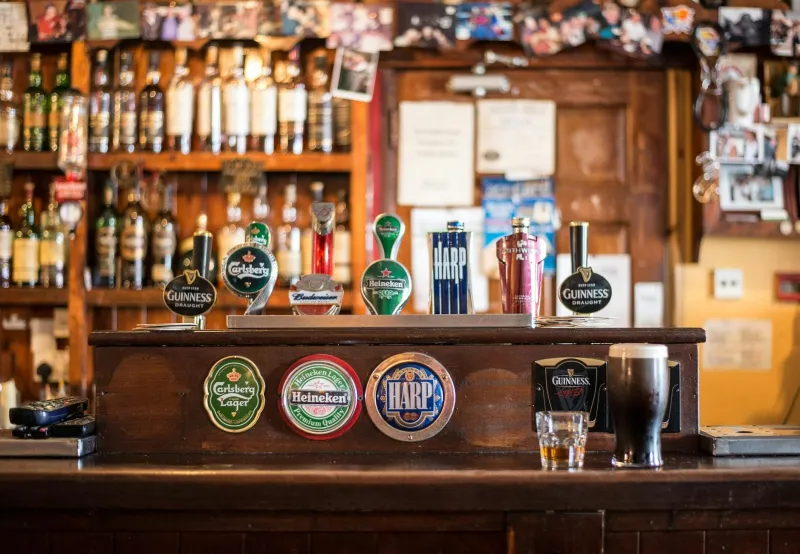
The Uncomfortable Truth Behind the Bar
Picture this: it's Tuesday night at The Crown, your local's buzzing with the usual quiz crowd, and Dave's just nailed the geography round (again). You're celebrating with a pint of bitter and eyeing up that chocolate bar behind the bar—the one that's been calling your name since the sports round nearly broke your brain.
But here's something that might make you pause mid-unwrap: that innocent-looking chocolate bar has likely funded child labour, environmental destruction, and poverty wages that would make your gran weep into her weekly pension.
Britain's pub culture is woven into our national DNA. We've got nearly 47,000 pubs across the UK, each serving as unofficial community centres where life's big moments get celebrated and commiserated over. Yet for all our talk of supporting local businesses and community values, we've turned a blind eye to the global supply chains that stock our locals' shelves.
When Your Twix Funds Exploitation
Let's talk numbers that'll make your quiz team captain's statistical brain hurt. The average British pub stocks dozens of chocolate products—from the classic Mars bars to those fancy artisan chocolate biscuits that cost more than your first pint. But here's the kicker: less than 2% of UK pubs stock any fair trade chocolate products whatsoever.
Meanwhile, in West Africa's cocoa farms, children as young as five are working 12-hour days, handling machetes and toxic pesticides, earning pennies whilst multinational corporations pocket billions. The Cocoa Barometer 2022 revealed that cocoa farmers earn just 6% of the final chocolate bar's retail price. That £1.50 chocolate bar you're munching during the picture round? The farmer who grew those beans got about 9p.
It's like playing a rigged quiz where everyone knows the answers except the people actually growing the ingredients.
The Landlord's Dilemma: Profit vs. Principles
Now, before we start pointing fingers at landlords, let's acknowledge the elephant in the snug: running a pub is bloody hard work. Margins are tighter than a Yorkshire person's wallet, and every penny counts when you're competing with supermarket prices and rising energy costs.
But here's where the conversation gets interesting. Fair trade chocolate doesn't have to break the bank or alienate customers. In fact, it can become a unique selling point that sets your local apart from the chain pubs that treat community like a marketing buzzword.
Take The Red Lion in Cheltenham, which switched to fair trade chocolate and coffee two years ago. Landlord Sarah Mitchell initially worried about customer backlash over the 20p price increase per bar. "Instead, we found people were genuinely interested in the stories behind the products," she explains. "It became a conversation starter, especially during quiz nights when people are already thinking and asking questions."
Small Changes, Global Impact
The beauty of pub culture is its ripple effect. When your local makes ethical choices, it influences customers who then demand the same standards elsewhere. It's like a perfectly executed quiz strategy—one good answer leads to another, and before you know it, you're winning the whole thing.
Switching to fair trade bar snacks isn't rocket science. Start small: replace one mainstream chocolate brand with a fair trade alternative. Divine Chocolate, Tony's Chocolonely, or even supermarket own-brand fair trade options all taste better when you know they're not funding exploitation.
For hot drinks, fair trade coffee and tea options are widely available and often cost similar amounts to conventional alternatives. The markup potential is identical, but the story you're selling is infinitely more compelling.
The Quiz Master's Challenge
Here's a quiz question for your next pub night: "What percentage of cocoa farmers live below the poverty line?" The answer is a staggering 70%. Now ask your landlord if they stock any chocolate that helps change that statistic.
The power of pub culture lies in its ability to normalise social change. When ethical choices become as routine as ordering your usual pint, we create lasting transformation that reaches far beyond our parish boundaries.
Beyond the Bar: Building Ethical Communities
The most successful pub transformations happen when landlords engage their communities in the journey. Create "ethical eating" quiz rounds featuring questions about fair trade. Partner with local schools for educational evenings about global supply chains. Host tasting sessions comparing fair trade chocolate with conventional alternatives.
Remember, pubs have always been places where social movements gained momentum. From political discussions to community organising, our locals have hosted conversations that shaped British society. It's time we added ethical consumption to that proud tradition.
Last Call for Change
Next time you're settling in for quiz night, take a moment to consider the global impact of your snack choices. Chat with your landlord about stocking fair trade alternatives. Share the stories behind ethical products with your quiz teammates.
Because ultimately, the best pub quiz questions are the ones that make you think long after last orders. And there's no better conversation starter than knowing your chocolate bar is helping fund education instead of exploitation.
Your local isn't just serving drinks—it's serving up opportunities to create positive change, one ethically-sourced chocolate bar at a time. Now that's what I call a winning answer.