The Hidden Journey in Your Teacup: How Fair Trade Transforms Lives One Sip at a Time
The Morning Ritual That Connects Continents
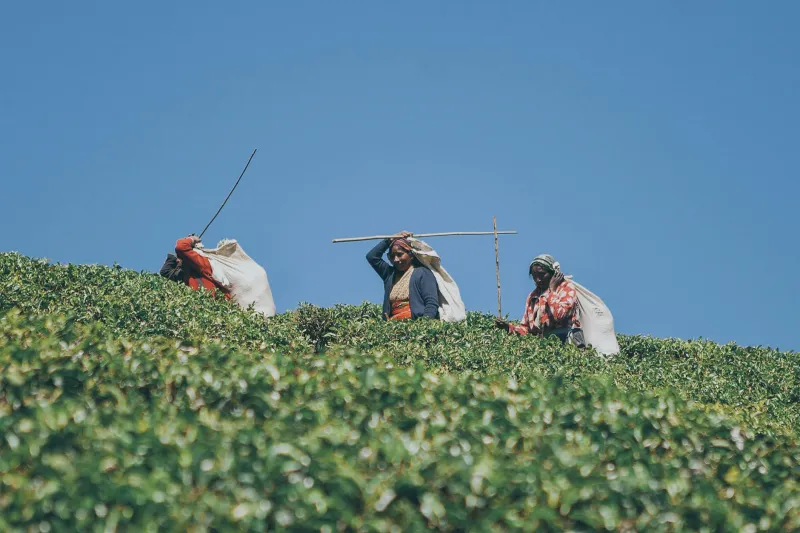
Picture this: it's 7 AM in Manchester, and Sarah's reaching for her favourite Earl Grey. Meanwhile, 4,000 miles away in Kenya's rolling highlands, tea picker Margaret Wanjiku is carefully plucking the tender leaves that might just end up in Sarah's morning brew. This isn't just a poetic connection – it's the reality of our globalised tea trade, and increasingly, it's becoming a lifeline for farming communities across the developing world.
Britain's love affair with tea runs deep – we consume 165 million cups daily, making us the fourth-largest tea-consuming nation globally. Yet behind every comforting sip lies a complex supply chain that can either perpetuate poverty or provide pathways to prosperity.
The Tale of Two Harvests
The difference between conventional and fair-trade tea production isn't just about certification logos on packaging – it's about fundamentally different approaches to human dignity and community development.
On conventional tea estates, workers often face precarious conditions. Daily wages can be as low as £1.50, with families living in basic accommodation and children walking miles to reach under-resourced schools. Healthcare is limited, clean water scarce, and the future uncertain.
Contrast this with fair-trade certified farms, where minimum price guarantees provide stability, and the Fairtrade Premium – an additional sum paid on top of the selling price – transforms entire communities. This premium, currently around £1.50 per kilogram of tea, might seem modest, but its impact is extraordinary.
Where Your Tea Money Really Goes
Let's follow the money trail from your weekly shop to a tea-growing community in Nandi County, Kenya. When you choose fair-trade tea, approximately 2p from each packet goes directly into community development projects. Over a year, this seemingly small amount accumulates into substantial funding for transformational initiatives.
The Kapsoya Tea Factory in Kenya exemplifies this impact. Premium payments from UK consumers have funded the construction of three primary schools, serving over 800 children who previously walked up to 10 kilometres to reach education. Clean water boreholes now provide safe drinking water to 15,000 people, dramatically reducing waterborne diseases that once claimed young lives.
In Sri Lanka's hill country, where Tamil workers have historically faced marginalisation, fair-trade premiums have established vocational training centres, teaching skills like computer literacy and tailoring. These programmes are particularly focused on empowering women, creating alternative income streams beyond plantation work.
The Premium in Practice: Real Stories from the Ground
Meet Priya Selvam, a tea picker from Uva Province, Sri Lanka. Before fair trade, her family lived in a single room with no electricity. Today, thanks to community-chosen premium projects, her village has solar power, her daughter attends a newly built school, and Priya has completed a microfinance course, enabling her to start a small vegetable garden that supplements the family income.
These aren't isolated success stories – they're systematic changes happening across fair-trade certified plantations. The beauty of the Fairtrade Premium system is that communities themselves decide how to spend these funds, ensuring projects meet genuine local needs rather than imposed external priorities.
Navigating the Supermarket Maze: Your Fair Trade Shopping Guide
With fair-trade tea increasingly available across UK retailers, knowing what to look for ensures your purchasing power creates maximum impact.
The Gold Standard: Look for the distinctive blue and green FAIRTRADE Mark. This certification, overseen by the Fairtrade Foundation, guarantees farmers receive minimum prices and community premiums. Major brands like Clipper, Twinings' Fair Trade range, and Cafédirect all carry this mark.
Supermarket Own-Brands: Tesco, Sainsbury's, and Co-op all stock fair-trade certified own-brand teas, often at competitive prices. The Co-op has been particularly pioneering, converting their entire own-brand tea range to fair trade in 2017.
Specialist Retailers: Independent health food shops and online retailers like Ethical Superstore offer wider selections, including single-estate teas where you can trace your purchase to specific farming communities.
Beware of 'Fairwashing': Terms like "ethically sourced" or "sustainably grown" aren't regulated. Stick to recognised certifications like FAIRTRADE, Rainforest Alliance, or UTZ for guaranteed standards.
The Ripple Effect of Your Daily Brew
Every fair-trade tea purchase sends ripples across continents. It's estimated that each fair-trade tea worker supports, on average, five family members. When communities invest premiums in education, healthcare, and infrastructure, benefits extend to entire regions.
Consider this: if just 10% more UK tea drinkers switched to fair trade, an additional £2.3 million annually would flow to farming communities. That's enough to build 46 schools or provide clean water to 150,000 people.
Brewing Change, One Cup at a Time
Your morning tea ritual needn't change – the leaves still steep, the milk still swirls, and that first comforting sip still signals the start of another day. But knowing that your choice supports Margaret in Kenya as she sends her children to school, or helps Priya in Sri Lanka power her home with clean energy, transforms an ordinary moment into an act of global solidarity.
Next time you're in the tea aisle, remember: you're not just choosing a beverage – you're voting for the kind of world you want to live in. And that's a powerful way to start any morning.