Heat, Politics and Conscience: The Revolutionary Act of Seasoning Your Dinner Ethically
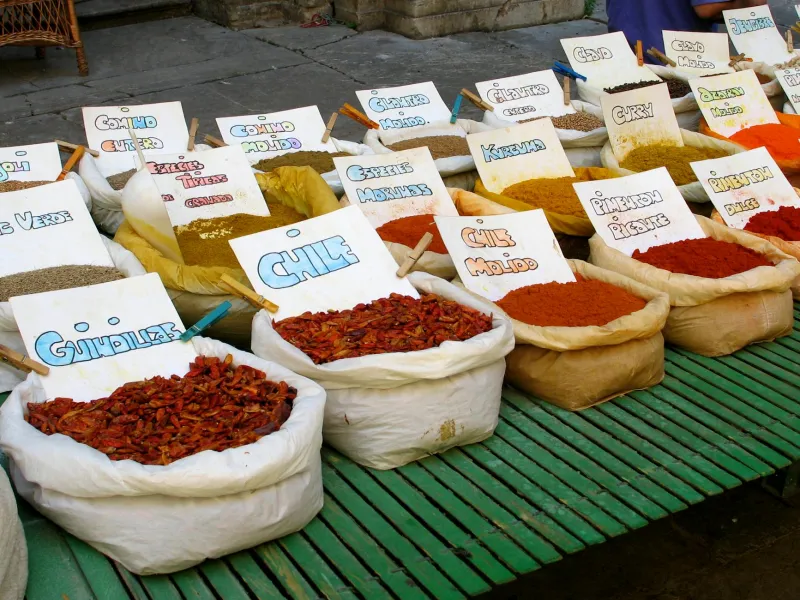
Your Friday night curry ritual is about to get political. Not the dinner table debate kind of political, but the quietly revolutionary act of choosing spices that actually pay farmers what they deserve. Because while you're debating whether to add extra chilli to your chicken tikka masala, somewhere in Kerala, a pepper farmer is wondering if this year's harvest will cover his children's school fees.
Welcome to the most overlooked battlefield in ethical consumption: your spice rack.
The Invisible Exploitation on Your Kitchen Shelf
That innocent-looking jar of turmeric powder tells a story most British households never hear. The golden spice that transforms your dal and gives your weekend roasts that gorgeous colour likely travelled from smallholder farms in Tamil Nadu or Karnataka, where farmers typically receive less than 10% of what you pay at the checkout.
Traditional spice supply chains are masterclasses in exploitation. Farmers sell their harvests to local traders who sell to regional buyers who sell to exporters who sell to importers who sell to retailers who sell to you. At each step, margins get squeezed, and it's always the farmer at the bottom who bears the cost.
"I used to earn so little from cardamom that I considered abandoning farming altogether," explains Raj Krishnan, whose family has grown spices in the Western Ghats for three generations. "The middlemen set prices so low that we couldn't invest in better farming techniques or even maintain our equipment properly."
This isn't just about individual hardship—it's about entire communities trapped in cycles of poverty that stretch back generations. When spice farmers can't earn living wages, their children can't access education, their communities lack investment, and the very biodiversity that produces these incredible flavours faces threat from unsustainable farming practices born of desperation.
The True Cost of Cheap Seasoning
British households consume approximately £300 million worth of herbs and spices annually, yet most of us remain blissfully unaware of the human cost behind our flavour preferences. That £1.50 jar of ground coriander at your local supermarket seems like a bargain until you realise the farmer who grew those seeds might have earned less than 15p from your purchase.
Consider black pepper—once so valuable it was literally used as currency. Today, Vietnamese and Indian pepper farmers struggle to break even on crops that retail for twenty times what they receive. The "black gold" that historically built trading empires now barely sustains the families who cultivate it.
The situation is even starker for premium spices. Saffron, the world's most expensive spice by weight, comes primarily from Kashmir, where political instability combines with exploitative trading practices to keep farmers impoverished despite producing what retails for more than gold. A single crocus flower produces just three saffron threads, requiring 150 flowers for a single gram—labour-intensive work that deserves fair compensation.
Fair Trade Spices: The Flavour Revolution You Can Taste
Here's where the story transforms from depressing reality to genuine hope. Fair trade spice cooperatives across Asia, Africa, and Latin America are proving that ethical sourcing doesn't just change lives—it actually produces better flavours.
Take the Spices Board-certified organic farmers of Wayanad in Kerala, who've formed cooperatives to grow cardamom, black pepper, and vanilla under fair trade principles. By cutting out exploitative middlemen and guaranteeing minimum prices plus social premiums, these farmers have invested in organic certification, sustainable farming techniques, and processing equipment that preserves essential oils and maximises flavour intensity.
"The difference is remarkable," says London-based chef Priya Patel, who sources exclusively from fair trade spice cooperatives. "Fair trade spices have more complexity, deeper colour, and stronger aroma because farmers can afford to harvest at optimal times and process properly. When people aren't desperate for immediate cash, they can prioritise quality."
The numbers support this. Fair trade spice farmers typically earn 20-40% more than conventional producers, with additional premiums funding community projects like schools, healthcare facilities, and agricultural training programmes. But perhaps more importantly, fair trade certification provides price stability that allows farmers to plan long-term, investing in quality improvements and sustainable practices.
Your Spice Rack as Political Statement
Every time you reach for that turmeric, you're making a choice. Will it be the conventional powder that perpetuates exploitation, or the fair trade alternative that supports cooperative farming and community development? The price difference is typically minimal—perhaps 30-50p extra for a jar that lasts months—but the impact is transformational.
Fair trade turmeric from Indian cooperatives doesn't just taste more vibrant; it represents farmers who can afford to let their crop fully mature, harvest by hand rather than mechanically, and process using traditional methods that preserve curcumin content. The social premium funds initiatives like organic farming training and women's empowerment programmes.
Similarly, fair trade chilli powder from Sri Lankan cooperatives supports farmers transitioning to sustainable agriculture while preserving heirloom varieties that would otherwise disappear under commercial pressure. These aren't just products—they're preservation efforts for biodiversity and traditional knowledge.
Where to Find Your Ethical Spice Arsenal
The good news for British consumers is that fair trade spices are increasingly accessible. Major supermarkets now stock Fairtrade-certified basics like black pepper, cinnamon, and vanilla, while specialist retailers offer extensive ranges from certified cooperatives worldwide.
Online platforms have revolutionised access to ethically-sourced spices. Companies like Steenbergs, Seasoned Pioneers, and Spice Kitchen source directly from fair trade cooperatives, often providing detailed stories about the farmers and communities behind each product. Many offer subscription services that introduce customers to seasonal specialities and rare varieties.
Local independent shops often provide the most interesting options. Asian grocery stores frequently stock spices from specific regions or cooperatives, while farmers' markets increasingly feature spice vendors who can trace their products' journeys from farm to market stall.
The Ripple Effects of Conscious Seasoning
Choosing fair trade spices creates ripples far beyond individual purchases. When British consumers consistently choose ethically-sourced seasonings, retailers respond by expanding their ranges and improving sourcing practices. This market pressure gradually transforms entire supply chains.
Moreover, fair trade spice cooperatives often become models for their regions, demonstrating that sustainable, equitable farming is economically viable. Success stories spread, inspiring neighbouring communities to adopt similar practices and creating regional transformation that extends far beyond spice cultivation.
Making Every Meal Matter
Your next curry night can be genuinely revolutionary—not through grand gestures, but through conscious choices about the spices that bring your meal to life. When you choose fair trade turmeric for that golden dal, ethically-sourced cardamom for your tea, or cooperative-grown chilli powder for your weekend roast, you're voting with your wallet for a more equitable global food system.
The beautiful irony is that ethical spices often deliver superior flavours. Farmers who can afford to prioritise quality over quantity, who have time to perfect traditional processing methods, who aren't desperate to harvest prematurely—they produce spices that make your food taste better while making the world more fair.
So next time you're grinding fresh black pepper over your dinner, remember: you're not just seasoning your meal. You're participating in a quiet revolution that's transforming rural communities across the globe, one delicious, consciously-chosen pinch at a time.
The spice route has been reimagined, and it runs directly through your kitchen. The only question is: which path will you choose?