Final Acts of Love: How British Families Are Choosing Fair Trade Farewells
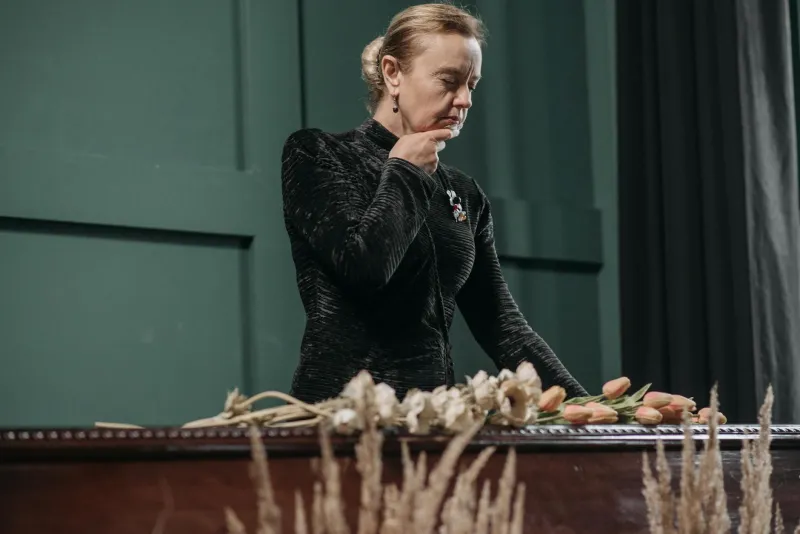
When Flowers Carry More Than Memories
Sarah's mum had always grown her own roses. So when the funeral director's catalogue arrived, filled with imported arrangements that somehow felt impersonal, Sarah knew she needed something different. What she discovered changed not just how she said goodbye to her mother, but how she thought about the impact of that farewell.
Across Britain, families like Sarah's are quietly revolutionising one of our most traditional and emotionally charged rituals: the funeral. But this isn't about changing customs or challenging grief – it's about ensuring our final acts of love extend beyond our own loss to encompass the lives of people we'll never meet.
The Hidden Story Behind Funeral Flowers
Britain imports around 80% of its cut flowers, with many coming from Kenya's Lake Naivasha region and Colombia's Bogotá plateau. These flowers travel thousands of miles to reach our funeral homes, but their journey begins in conditions that would shock most mourners.
 Photo: Lake Naivasha, via safarikenyaexplorer.com
In Kenya's flower farms, predominantly women workers often face 12-hour shifts in greenhouses reaching 35°C, handling pesticides without adequate protection, and earning wages that barely cover basic needs. The irony is stark: flowers meant to express love and respect are often grown in conditions that show little of either.
But here's where the story transforms. Fair trade flower certification, still relatively new but growing rapidly, ensures workers receive fair wages, safe working conditions, and community investment. The premium paid for fair trade flowers funds everything from healthcare clinics to children's education programmes.
The Quiet Revolution in Remembrance
James Wright of Ethical Blooms, one of Britain's pioneering fair trade funeral florists, has witnessed this shift firsthand. "Five years ago, maybe one family a month would ask about ethical flowers," he explains. "Now it's closer to one in three. People are connecting their values with their grief – they want their final tribute to reflect how their loved one lived."
 Photo: James Wright, via cdn20.pamono.com
This isn't about adding stress to an already overwhelming time. Fair trade funeral flowers aren't dramatically more expensive – typically 10-15% above conventional options – and many funeral directors now offer them as standard alternatives.
Beyond Flowers: The Wider Web of Memorial Ethics
The ethical considerations extend beyond floral tributes. Memorial gifts – from charitable donations to keepsake items – increasingly reflect this values-led approach to farewell.
Consider memorial candles. Many are made from paraffin wax, a petroleum byproduct, or conventional soy wax produced using exploitative labour practices. Fair trade alternatives use soy wax from certified farms or beeswax from ethical beekeepers, often in beautiful handcrafted holders made by artisan cooperatives.
Even something as simple as memorial cards can carry ethical weight. Handmade paper from fair trade cooperatives in Nepal or India, printed with plant-based inks, transforms a practical necessity into a meaningful choice.
The Comfort of Conscious Choices
Dr. Elizabeth Morrison, a grief counsellor who has worked with families for over twenty years, observes a particular comfort in these ethical choices. "When people are feeling powerless in the face of loss, making a decision that creates positive change elsewhere can be profoundly healing. It's not about the deceased – it's about the living finding meaning in their choices."
This resonates with many families. Margaret, whose husband died last autumn, chose fair trade roses from Kenya for his funeral. "It wasn't about grand gestures," she reflects. "But knowing those flowers had helped pay for a child's school fees somewhere – that felt like something he would have wanted. It made the flowers mean more."
Practical Guidance for Ethical Farewells
Navigating ethical choices during bereavement requires gentle, practical support. Here's how families are approaching it:
Flowers: Ask your funeral director about fair trade options, or contact specialist suppliers like Ethical Blooms or Fair Flowers Fair Trade. If fair trade isn't available, British-grown seasonal flowers often represent a more ethical choice than imported conventional blooms.
Memorial donations: Rather than flowers, consider donations to fair trade organisations like Traidcraft Exchange or The Fairtrade Foundation. These honour the deceased while supporting living producers.
Keepsakes: Memorial items like photo frames, candles, or jewellery from fair trade suppliers create lasting tributes with positive impact. Organizations like Shared Earth offer beautiful handcrafted options.
The Ripple Effect of Remembrance
What's remarkable about this quiet revolution is its multiplying effect. Funeral attendees notice the fair trade flowers, ask questions, and often make different choices for their own family occasions. The ethical considerations that begin with grief extend into celebrations – weddings, anniversaries, graduations.
There's also something profound about communities of mourners learning together about global justice. Funeral gatherings naturally prompt reflection on life's meaning and our connections to others. When those flowers carry stories of Kenyan mothers earning fair wages or Colombian communities building schools, the conversation expands beyond personal loss to encompass global hope.
Honouring Lives, Transforming Lives
Perhaps most importantly, choosing fair trade farewells isn't about perfection or judgment. Grief makes different demands on different people, and ethical choices must always be secondary to emotional needs.
But for families who can make these choices, there's a particular grace in knowing their tribute creates positive change. The flowers that expressed their love also funded a healthcare clinic. The memorial candles that lit their remembrance also supported an artisan family.
In our final acts of love, we have the opportunity to extend that love beyond our immediate circle. For a growing number of British families, that extension feels not like an obligation, but like a gift – both to the departed and to the living.