Digging Deeper: Why Your Allotment's Missing Piece Grows 4,000 Miles Away
The Great British Dig
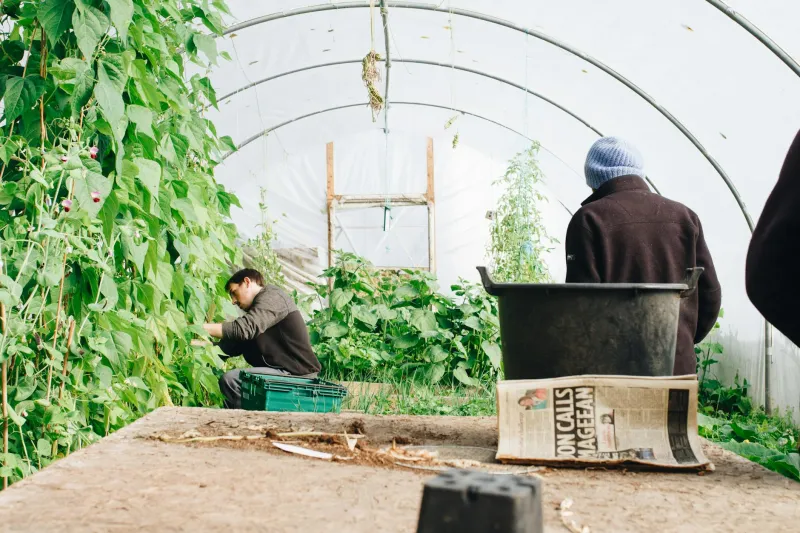
Across Britain, a quiet revolution is taking root. From Hackney's converted car parks to Yorkshire's traditional parish plots, millions are trading supermarket aisles for soil-stained fingernails and the satisfaction of eating what they've grown. The pandemic accelerated what was already brewing: a deep desire to reconnect with our food's origins and reduce our environmental footprint.
Yet there's an irony lurking beneath the runner beans. While we obsess over the provenance of our homegrown tomatoes, many of us remain blissfully unaware of the human stories behind the ingredients our allotments simply cannot provide.
The Limits of Lancashire Soil
No matter how green your fingers or how perfect your polytunnel, British weather has its limitations. Your prize-winning parsnips won't produce coffee beans, and even the most ambitious greenhouse can't replicate the tropical conditions needed for cocoa trees. The spices that transform your allotment vegetables into memorable meals – cardamom, cinnamon, black pepper – these global treasures require climates and expertise found thousands of miles from our shores.
This geographical reality creates what we might call the 'allotment gap' – the space between what we can grow and what we actually eat. For many plot-holders, this gap is filled unconsciously, with supermarket trips that undermine the very ethics that drove them to gardening in the first place.
When Ethics Meet Geography
Sarah Thompson, who tends a plot in St Albans, discovered this contradiction the hard way. "I was so proud of my organic vegetables, but then I'd come home and make a curry with spices that could have been produced by exploited workers. It felt hypocritical." Sarah's revelation led her to seek out fair trade alternatives for everything her allotment couldn't provide.
The fair trade movement offers a bridge across this gap. Just as allotment gardeners carefully tend their plots without harmful chemicals, fair trade farmers around the world grow coffee, cocoa, and spices using sustainable methods that protect both their communities and the environment.
Beyond the Plot: Completing the Ethical Circle
Consider your typical allotment harvest dinner. You've grown the potatoes, carrots, and herbs yourself – you know exactly how they were cultivated. But what about the olive oil that roasts them? The black pepper that seasons them? The coffee you drink afterwards, or the chocolate you nibble while planning tomorrow's garden tasks?
These ingredients, impossible to grow in Britain's climate, represent opportunities to extend your ethical choices beyond your plot's boundaries. When you choose fair trade coffee, you're supporting smallholder farmers who use sustainable growing methods. When you buy fair trade chocolate, you're ensuring cocoa farmers receive fair wages and can invest in their communities' futures.
The Morning Ritual Revolution
Take Britain's most beloved morning ritual: the cup of tea or coffee that accompanies garden planning. For many allotment holders, this moment of quiet contemplation – perhaps studying seed catalogues or checking weather forecasts – is sacred. Yet the beverage in their hands often represents the very industrial agriculture system they've rejected in their own growing practices.
Fair trade tea and coffee transform this daily ritual into an act of solidarity with farmers facing similar challenges to British growers: unpredictable weather, fluctuating prices, and the pressure to use harmful chemicals to increase yields. By choosing fair trade, allotment gardeners extend their community beyond the plot gates to include tea estates in Kenya and coffee cooperatives in Colombia.
Seeds of Change
Even the seeds themselves tell a story. While heritage varieties connect us to Britain's agricultural past, many of our favourite vegetables originated elsewhere. Tomatoes from South America, potatoes from the Andes, beans from Central America – our plots are actually international communities of plants with global stories.
This realisation has led some allotment associations to partner with fair trade organisations, creating educational programmes that connect local growing with global justice. Plot-holders learn not just how to grow better tomatoes, but how their purchasing choices can support farmers growing the ingredients their own plots cannot provide.
The Complete Ethical Plate
The most committed allotment gardeners are beginning to see their plots as part of a larger ethical food system. They grow what they can locally, and source what they cannot from producers who share their values of sustainability, community, and environmental stewardship.
This approach creates what we might call the 'complete ethical plate' – a meal where every ingredient, whether grown in Gloucestershire soil or harvested under Guatemalan sun, reflects the same commitment to fairness and sustainability.
Cultivating Global Connections
As Britain's allotment movement continues to flourish, its participants are discovering that true food ethics extend beyond what we can grow ourselves. The fair trade movement offers a way to maintain those ethical standards even when geography demands we look beyond our own borders.
In this light, choosing fair trade coffee for your thermos or fair trade spices for your allotment vegetables becomes not a compromise, but a completion – the final piece in a food system that truly reflects your values, whether those values are planted in British soil or harvested under foreign skies.