Between the Lines: How Britain's Book Clubs Are Quietly Changing the World
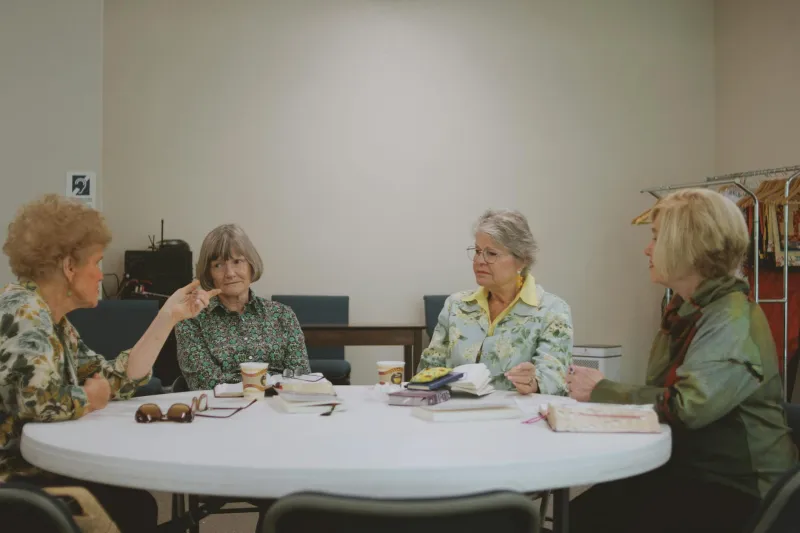
The Biscuit Tin Revelation
It started with a tin of shortbread. The Hampstead Book Club had just finished dissecting "The Kite Runner" when host Jennifer Marsh noticed something peculiar about their refreshments. "We'd spent two hours discussing exploitation and human suffering in Afghanistan," she recalls, "then served biscuits made with palm oil linked to deforestation and child labour."
 Photo: Hampstead Book Club, via images.squarespace-cdn.com
That moment of cognitive dissonance sparked what Jennifer now calls "the great biscuit audit of 2023." Within three months, her twelve-member book club had transformed their monthly gatherings into showcases of ethical consumption – fair trade wine, organic cheese, sustainably sourced chocolate, and yes, palm oil-free shortbread.
More importantly, they'd discovered something profound: book clubs aren't just about books. They're about values, community, and the gradual transformation of how people see the world.
The Hidden Infrastructure of Change
Britain hosts an estimated 50,000 active book clubs, from intimate kitchen table gatherings to library-based groups with waiting lists. These represent one of the largest regular meeting networks in the country – more frequent than parish councils, more intimate than political parties, more diverse than most community organisations.
Yet their potential as vehicles for ethical awareness remains largely untapped. Most book clubs focus exclusively on literary analysis, missing opportunities to connect the themes they discuss with the choices they make as consumers.
"We read about global inequality, environmental destruction, and social justice every month," observes Dr Sarah Patel, who studies community networks at Sheffield University. "Then we serve refreshments that often contradict everything we've just discussed. The disconnect is extraordinary."
 Photo: Sheffield University, via www.e-architect.com
Beyond Refreshments: The Reading List Revolution
The transformation begins with book selection. Britain's book clubs traditionally gravitate toward literary fiction, contemporary bestsellers, and classic texts. Yet a growing number are discovering that books exploring global trade, supply chains, and ethical consumption generate some of their most engaging discussions.
"Half of Arundel" by Rebecca Stott sparked three months of conversation at the Canterbury Book Club, leading members to research the environmental impact of their own coastal community. "The Nutmeg's Curse" by Amitav Ghosh prompted the Wirral Wednesday group to explore how colonial trade patterns still influence modern consumption.
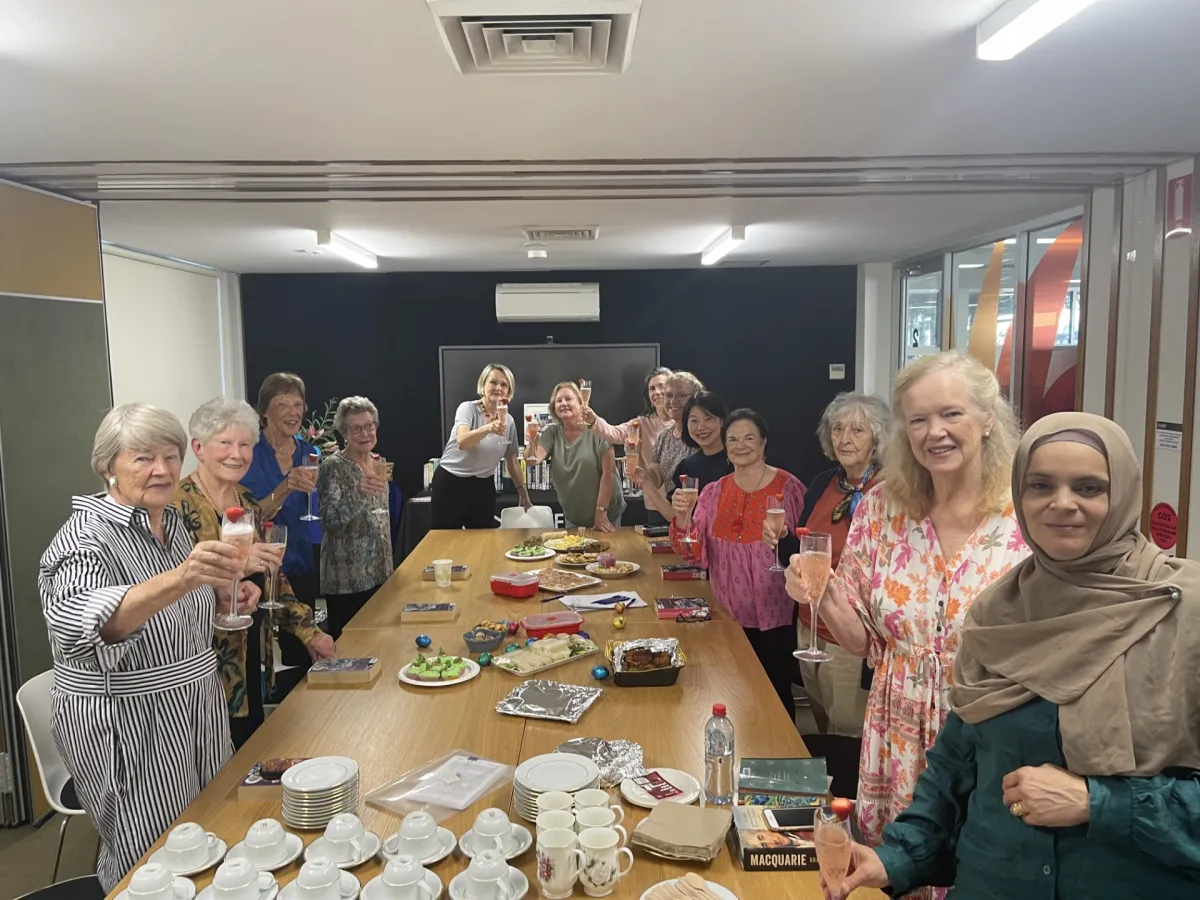 Photo: Canterbury Book Club, via www.cbcity.nsw.gov.au
Most powerfully, "Sweetness in the Belly" by Camilla Gibb inspired the Cotswold Readers to partner with a local Ethiopian restaurant, creating themed evenings that combine literary discussion with fair trade Ethiopian coffee and traditional food.
The Intimate Economics of Influence
Book clubs operate on a scale that makes individual influence particularly powerful. Unlike social media networks or workplace relationships, book club connections are built through sustained, face-to-face interaction over months or years. Members develop trust, share personal experiences, and influence each other's choices in ways that extend far beyond reading preferences.
When Margaret introduces fair trade chocolate to her Dorset book club, she's not just changing what twelve people eat during their monthly meeting. She's influencing what they buy for their families, what they serve at other social gatherings, and what they recommend to friends and neighbours.
"It's the ripple effect," explains Tom Bradley, whose London book club has become increasingly focused on ethical consumption. "We each influence our families, our colleagues, our other social groups. Twelve people become sixty, then three hundred."
Practical Transformation: The How-To Guide
Transforming a book club into an ethical consumption catalyst requires subtle integration rather than dramatic overhaul. The most successful approaches weave fair trade principles into existing structures:
The Themed Meeting: When discussing books set in particular countries or regions, serve fair trade products from those areas. Reading about India? Serve fair trade tea and spices. Discussing African literature? Choose fair trade coffee and chocolate from relevant regions.
The Supply Chain Discussion: After finishing books that touch on labour conditions, globalisation, or social justice, dedicate fifteen minutes to discussing the supply chains behind your refreshments. Where does the wine come from? Who picked the coffee? What standards govern the chocolate production?
The Author Connection: Many contemporary authors actively support fair trade and ethical consumption. Research authors' own values and causes, then align refreshments with their advocacy. This creates deeper connection between literature and lifestyle.
The Community Challenge: Set monthly challenges for members to try new fair trade products, visit ethical retailers, or research particular supply chains. Share discoveries at the next meeting alongside book discussions.
The Literature of Awakening
Certain books naturally lend themselves to ethical consumption conversations. "The White Tiger" by Aravind Adiga opens discussions about global inequality and labour conditions. "Americanah" by Chimamanda Ngozi Adichie explores identity and economic migration. "The God of Small Things" by Arundhati Roy examines environmental destruction and social hierarchies.
Non-fiction works like "No Logo" by Naomi Klein, "The Shock Doctrine" by the same author, or "Fast Food Nation" by Eric Schlosser provide direct bridges between reading and consumer consciousness. Biography and memoir can be equally powerful – "The Boy Who Harnessed the Wind" by William Kamkwamba connects renewable energy with African development.
The key is selecting books that naturally prompt questions about how we live, what we buy, and whom our choices affect.
Overcoming Resistance: The Gentle Approach
Not every book club member embraces ethical consumption immediately. Price concerns, availability issues, and simple habit create resistance to change. The most successful transformations happen gradually, focusing on education rather than evangelism.
"I never tell people what they should buy," explains Rachel Green, whose Bath book club has become a model for ethical integration. "I just share what I've learned and let them decide. Most people want to make better choices once they understand the impact of their current ones."
The book club format naturally supports this gentle approach. Members are accustomed to exploring different perspectives, questioning assumptions, and considering complex issues from multiple angles. These same skills transfer easily to ethical consumption discussions.
The Multiplier Effect
Book clubs create influence networks that extend far beyond their immediate membership. Many members belong to multiple social groups, volunteer organisations, and professional networks. Ethical consumption habits developed in book club settings often spread to these other contexts.
Susan Chen's involvement in both a book club and a tennis club led to fair trade refreshments at both gatherings. Her influence as a school governor introduced ethical considerations to catering decisions that affect hundreds of families. Her role in the local historical society prompted research into the area's own connections to historical trade practices.
"Book clubs teach you to make connections," Susan observes. "Between characters and themes, between authors and contexts, between literature and life. Once you start connecting your reading to your shopping, it becomes automatic."
The Future of Literary Activism
As awareness grows, book clubs across Britain are discovering their potential as vehicles for social change. Some partner with local fair trade retailers to offer member discounts. Others invite speakers from ethical organisations to supplement their literary discussions. A few have evolved into hybrid book-and-action groups that combine reading with volunteer work or activism.
The Exeter Evening Book Club now alternates between literary meetings and "action sessions" where members research ethical alternatives to products they regularly buy. The Glasgow Readers have partnered with a local fair trade shop to host author events and themed tastings. The Brighton Book and Biscuit Club has become a testing ground for new fair trade products, providing feedback to suppliers while expanding members' ethical horizons.
Conclusion: The Quiet Revolution
Britain's book clubs represent an untapped network of influence, education, and community engagement. Their transformation into vehicles for ethical consumption happens naturally, organically, and sustainably. Unlike top-down campaigns or corporate initiatives, book club activism grows from genuine relationships, shared values, and gradual awareness.
The revolution is quiet but profound. In front rooms and community centres across the country, people are discovering that the books they read and the choices they make are intimately connected. Between the lines of literature, they're writing a new story about conscious consumption, global responsibility, and the power of small groups to create large change.
One biscuit tin at a time.