Beautiful Wrapping, Ugly Truth: How Your Gift Presentation Choices Shape Lives Across the Globe
The Forgotten Gift
Picture Christmas morning: excited children tearing through layers of shimmering paper, ribbons flying, gift bags crumpling underfoot. Within minutes, what cost millions to produce becomes bin fodder. Yet in our rush to unwrap presents, we rarely consider the hands that made the wrapping possible – or the opportunity we're missing to make even our packaging count.
Britain's gift-wrapping industry is worth hundreds of millions annually, involving complex global supply chains that touch lives from paper mills in Scandinavia to ribbon factories in Southeast Asia. Most of this industry operates in the shadows, where workers' rights and environmental standards often take second place to profit margins and fast delivery.
Behind the Glitter
Conventional gift wrap tells a troubling story. The glossy papers adorning British presents often originate from mills where environmental regulations are minimal and worker protections inadequate. The metallic finishes that catch the light so beautifully frequently contain heavy metals and non-recyclable coatings that poison waterways.
Ribbons present their own ethical minefield. Mass-produced synthetic ribbons rely on petroleum-based materials processed in factories where labour standards vary dramatically. The workers stitching those perfect bows often earn subsistence wages whilst handling chemicals that pose serious health risks.
"I never thought about who made the wrapping paper," admits Claire from Bristol, whose family typically spends over £50 annually on gift presentation materials. "When I started researching alternatives, I realised we were literally throwing away opportunities to support artisan communities."
The Art of Conscious Presentation
Fortunately, a quiet revolution is emerging in gift presentation. Across Britain, consumers are discovering that ethical wrapping options don't compromise on beauty – they enhance it. Fair trade and artisan-made wrapping materials tell stories that complement the gifts they contain.
Handmade papers from women's cooperatives in Nepal transform gift-giving into storytelling. Each sheet carries the texture of traditional papermaking techniques, whilst the purchase supports literacy programmes and fair wages. Similarly, organic cotton ribbons from fair trade sources add elegance whilst ensuring decent working conditions for textile workers.
Redefining Beautiful
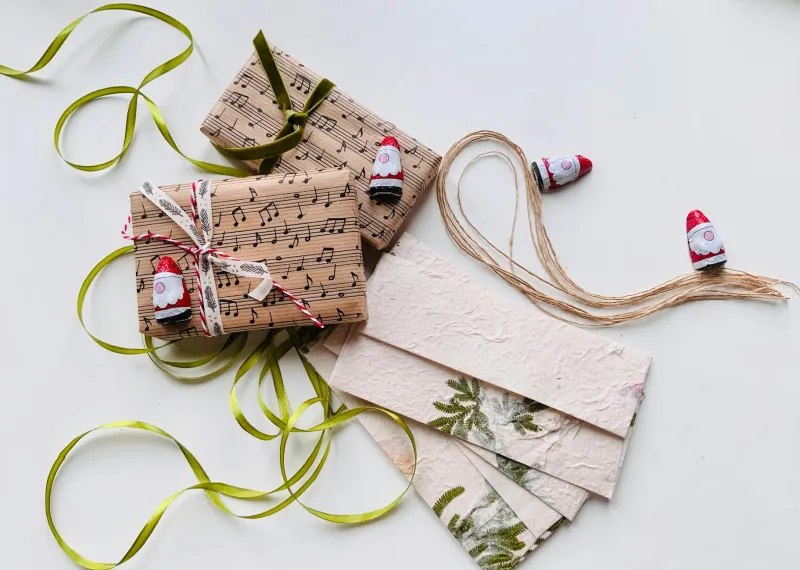
The most striking ethical wrapping often comes from unexpected sources. Vintage maps create stunning presentation for travel-themed gifts, whilst pages from old sheet music suit presents for music lovers. These approaches eliminate waste whilst adding personal meaning that mass-produced papers can't match.
Brown paper tied with natural raffia or hemp string creates rustic elegance that costs pennies whilst supporting sustainable agriculture. Add pressed flowers or hand-drawn decorations, and you've created presentation more memorable than any shop-bought alternative.
Global Artisans, Local Impact
When you choose handmade gift bags from fair trade cooperatives, your purchase ripples across communities. The women's group in Guatemala that weaves those beautiful fabric gift bags uses profits to fund children's education and healthcare initiatives. Your gift presentation becomes part of a global support network.
Similarly, choosing recycled papers from social enterprises creates employment for marginalised communities whilst reducing environmental impact. These papers often feature unique textures and colours impossible to achieve through mass production.
The Economics of Ethical Wrapping
Contrary to popular belief, ethical gift wrapping needn't cost more than conventional options. A single fair trade gift bag can be reused multiple times, making it more economical than disposable wrapping paper. Handmade papers, whilst initially pricier per sheet, create such stunning presentations that recipients often save them for reuse.
Bulk buying from ethical suppliers, particularly through community groups or online cooperatives, brings costs down significantly. Many families report spending less on wrapping overall whilst achieving far more impressive results.
Teaching Through Presentation
Ethical gift wrapping becomes particularly powerful when involving children. Teaching young people to create beautiful presentations using sustainable materials builds awareness of global connections and environmental responsibility. Children who help make gift bags from fair trade fabrics or design their own wrapping paper develop deeper appreciation for both creativity and social justice.
"My daughter now insists on making our gift bags," reports Mark from Edinburgh. "She's learned about textile workers' lives whilst developing artistic skills. The wrapping has become as meaningful as the gifts inside."
Building New Traditions
Families across Britain are establishing new wrapping traditions that prioritise ethics alongside aesthetics. Some dedicate December afternoons to creating next year's gift presentation materials, turning preparation into celebration. Others establish 'wrapping libraries' where beautiful bags and boxes circulate between family members year after year.
These traditions create anticipation around presentation itself, making the wrapping an integral part of gift-giving rather than disposable necessity.
Practical Transformation
Transitioning to ethical gift wrapping starts with simple swaps. Replace conventional ribbon with natural alternatives like hemp twine or organic cotton tape. Choose papers with minimal chemical processing, ideally from certified sustainable forests or recycled content.
Invest in reusable options: beautiful fabric bags, wooden boxes, or metal tins that become part of the gift itself. These choices eliminate waste whilst creating lasting beauty.
Seek out local artisans who create unique wrapping materials. Many communities have craftspeople producing handmade papers, natural dyes, or woven ribbons. Supporting local makers reduces environmental impact whilst building community connections.
The Unwrapping Revolution
As more British families embrace ethical gift presentation, they're discovering that conscious choices enhance rather than compromise special occasions. When wrapping materials tell stories of fairness, sustainability, and global solidarity, the act of unwrapping becomes more meaningful.
This Christmas, consider making your presentation choices count. Every ribbon tied with intention, every paper chosen with care, contributes to a global movement towards justice and sustainability. The most beautiful gifts deserve wrapping that reflects their giver's values – and the world deserves our consideration in every choice we make.